RDF Alternative Fuels
The non-recyclable reject fraction represents an enormous strategic opportunity. At Bianna, we design and build specialized plants for the production of solid recovered fuels (SRF / RDF). As global leaders in integrated waste management, we apply our engineering to transform rejects from sorting plants into a homogeneous alternative fuel with high calorific value, ideal for Waste-to-Energy plants and the cement industry, reducing dependence on fossil fuels and the volume destined for landfill.
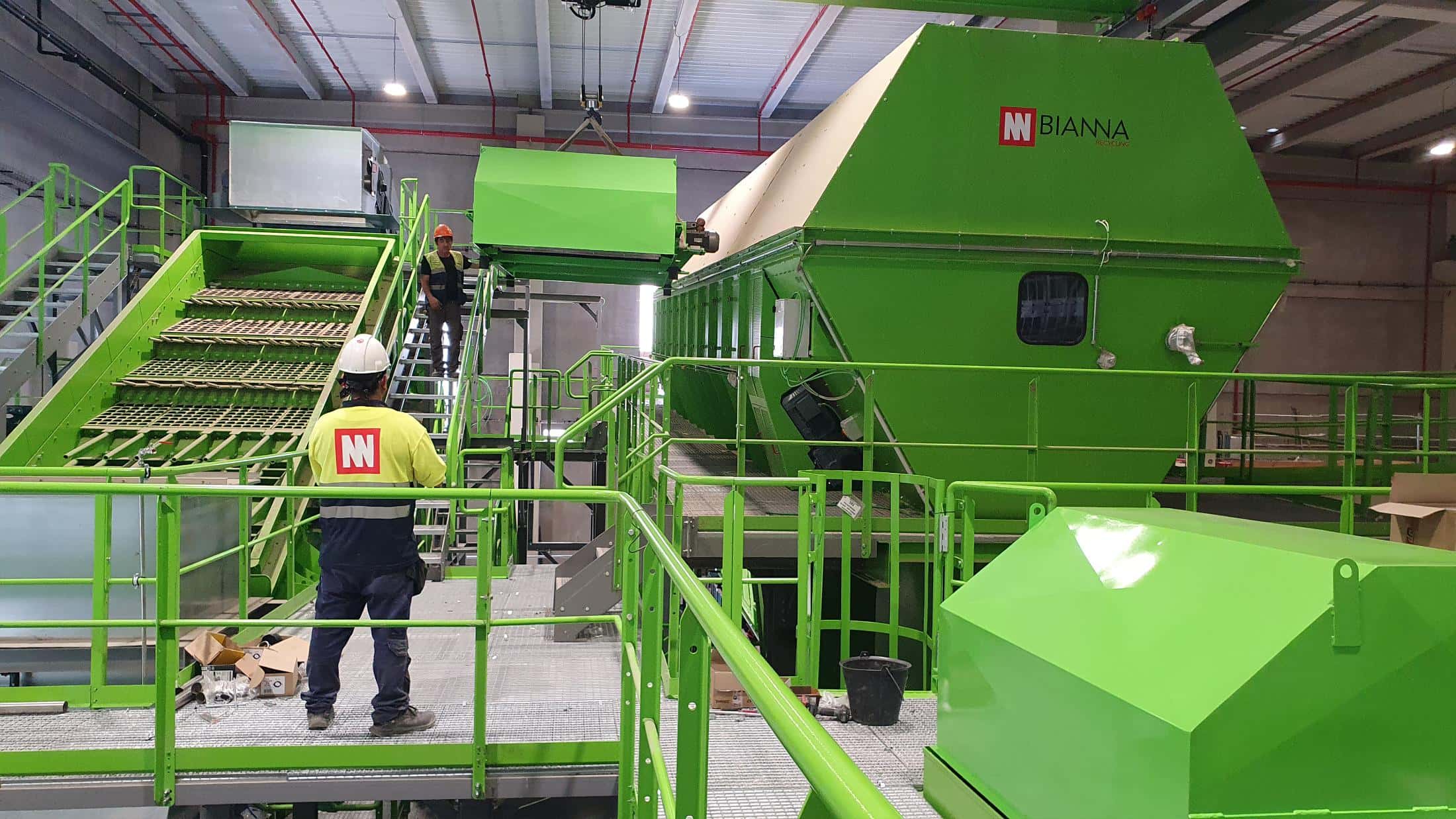
Treatment modules and solutions for the production of alternative fuels from diverse waste streams
Homogenization and Particle Size
They shred and screen waste to obtain a uniform particle size, ensuring stable and controlled combustion in industrial furnaces.
Calorific Value (CV) Control
They select and mix materials (such as technical plastics, textiles, or wood) to ensure the fuel achieves a specific and constant energy capacity.
Refining and Declassification of Contaminants
They rigorously eliminate unwanted elements such as chlorine (present in PVC) and heavy metals to comply with strict atmospheric emission regulations.
Fossil Fuel Substitution
They allow energy-intensive industries (such as cement plants) to reduce their dependence on coal or petroleum coke, improving their economic and environmental sustainability.
Both urban and industrial waste facilities can incorporate “treatment modules” for the production of alternative fuels. Their objective is to maximize waste valorization, reducing the amount sent to landfill and producing fuels for various processes, whether for generating electrical energy, thermal energy, both, or for co-incineration in cement plants.
Transforming waste into valuable resources
From waste
Type of Waste Entering the Plant
The streams feeding these plants come from urban and industrial waste containing fractions with high calorific potential but low direct material reuse possibility. These are dry materials, mainly plastics and green waste, which, after losing their moisture through thermal or biological processes, become ideal alternative fuels. The incoming waste is characterized by high heterogeneity, requiring prior conditioning to achieve the necessary particle size and quality for co-incineration.
To resource
Recoverable Materials Obtained
- Solid Recovered Fuel (SRF / RDF): a light, dry, and highly disintegrated fraction, mostly composed of high-energy plastics, paper, and cellulose.
- Heavy and Inert Materials: high-density elements (rubble, glass, sand) separated from the main stream to prevent system abrasion.
Metals: ferrous materials and aluminum recovered clean (without adhering organic matter) for return to the metallurgical industry. - Fines: small residues and organic fraction mechanically screened along the line.

Renting Options
Discover Bianna Renting Services and access Bianna technology without initial investment.
Request a financing studyOperation
Comprehensive Engineering for Maximum Efficiency and Sustainability
- Pre-treatment and Primary Shredding: Waste (whether industrial or rejects from sorting plants) passes through a primary low-speed shredder, which reduces its initial size and opens bags, facilitating the release of trapped materials.
- Technical Separation and Cleaning: Powerful magnets are used to extract metals, air separators (densimetric) to remove heavy materials like stones or glass, and optical separators to discard unwanted plastics such as PVC, whose chlorine content is detrimental to furnaces.
- Drying and Moisture Adjustment: To maximize calorific value, the material undergoes drying processes (thermal or biological) that reduce moisture below specific levels, ensuring the fuel burns efficiently.
- Secondary Shredding and Refining: The remaining material is processed in a high-speed shredder until it reaches a very fine particle size (typically less than 30-50 mm). In some cases, this powder or “fluff” is pressed to form pellets or briquettes, facilitating its transport and dosing.
Aftersales Services
Maintenance, technical service and spare parts. Minimise downtime, maximise results.
Request informationAlternative Fuels in action
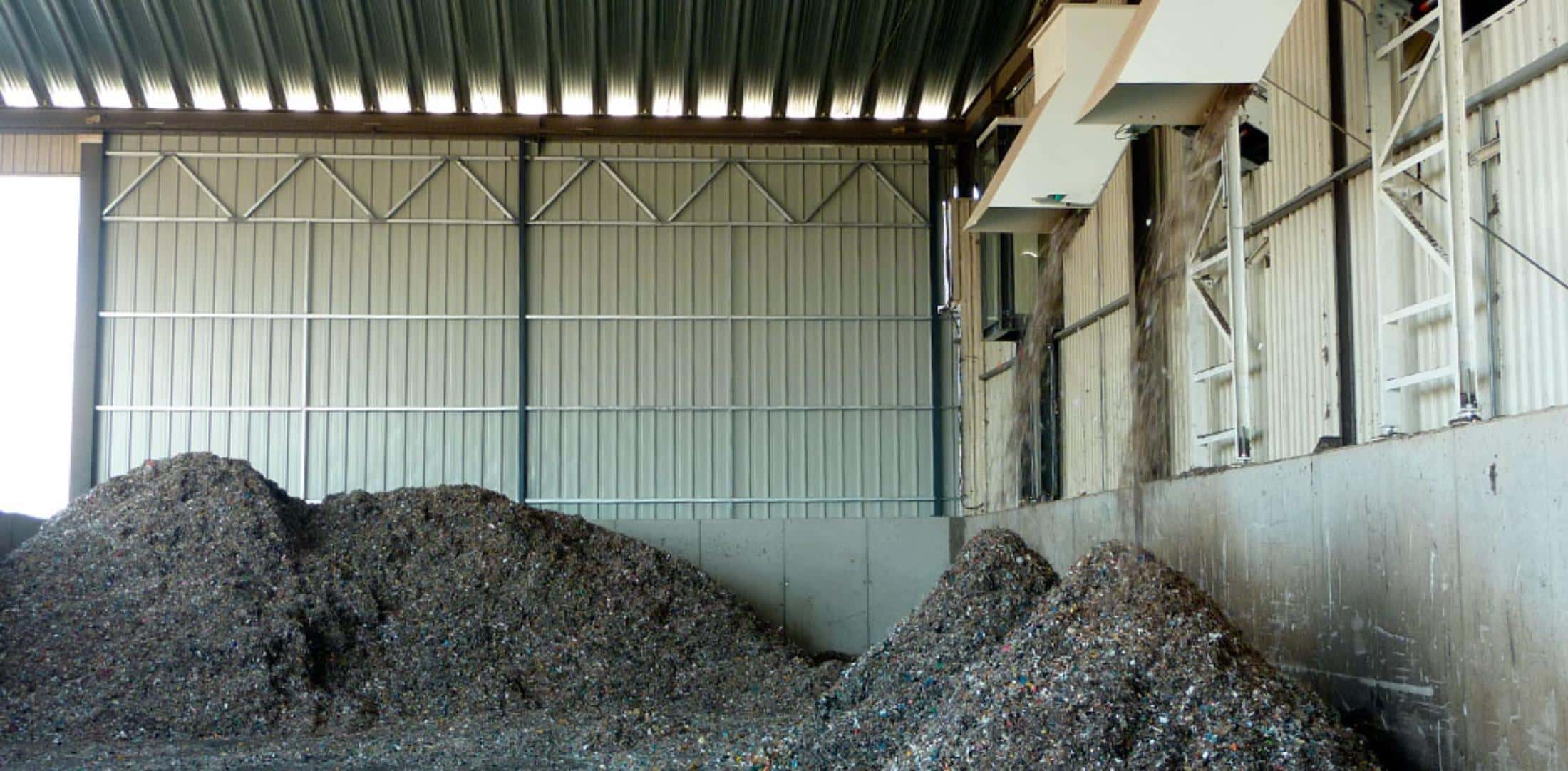
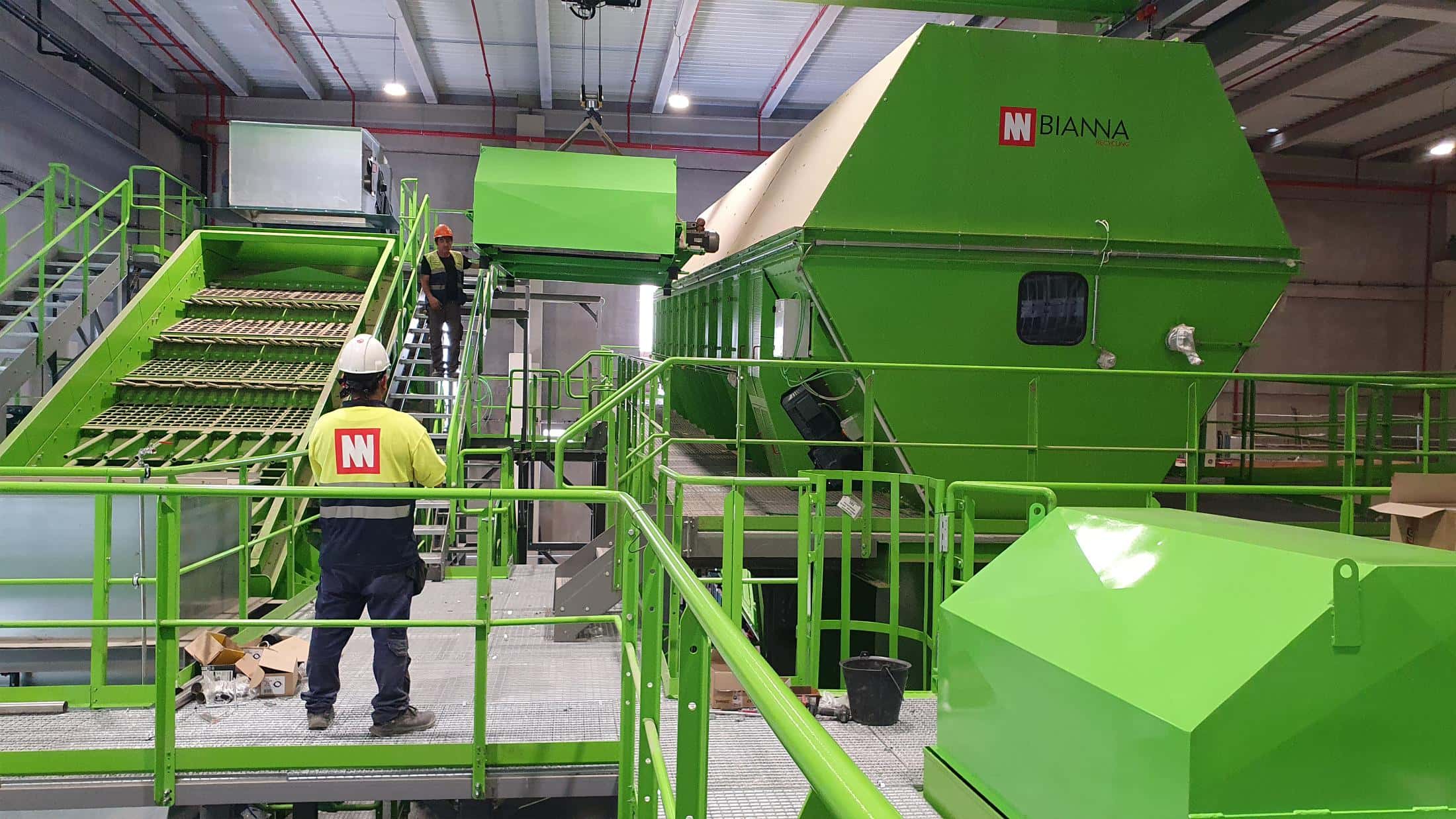

Showroom and training
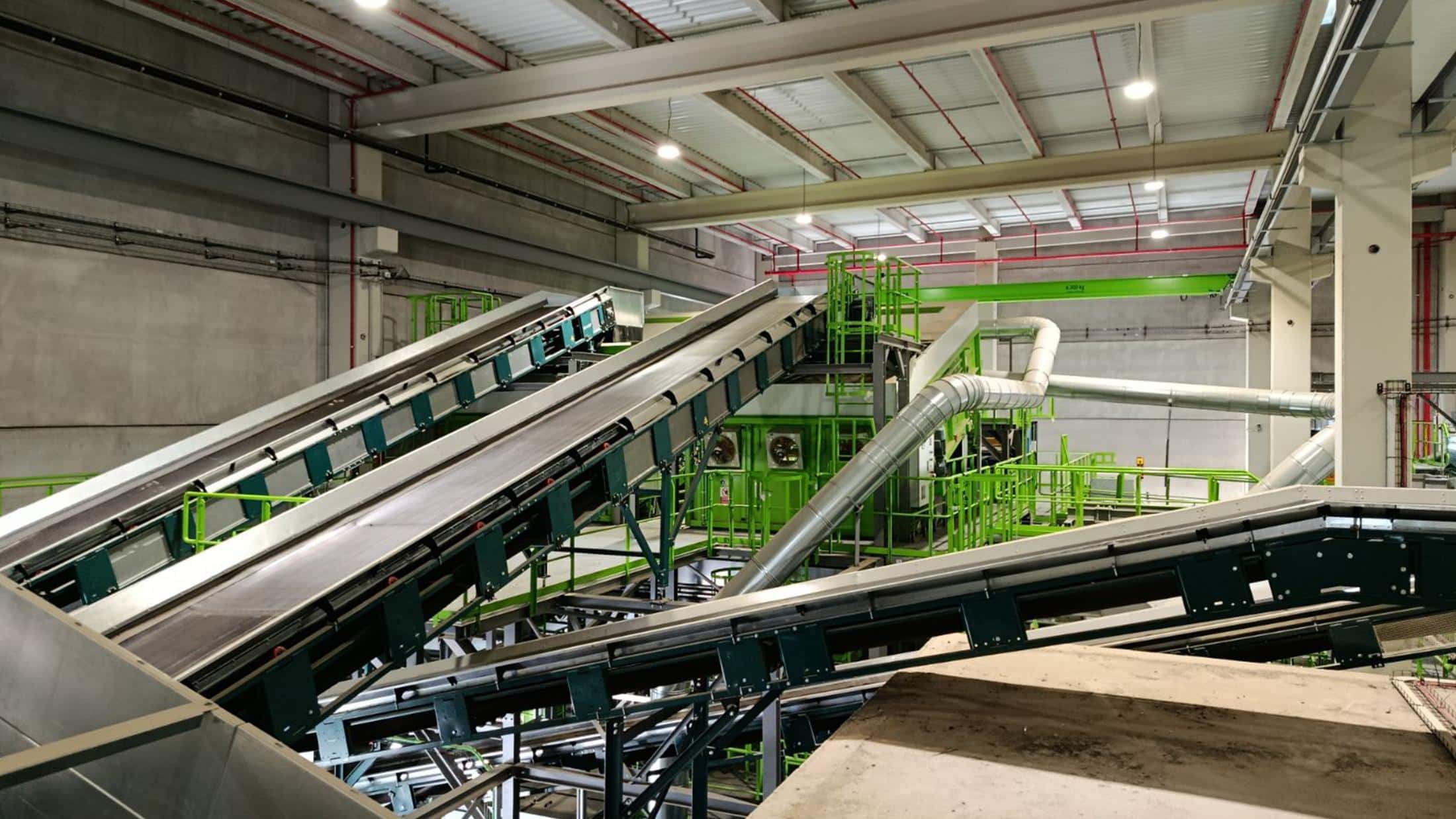
Bianna Greenways, to see our plants and equipment in real operation
Request a visitMachines included in this plant
We offer configurations tailored to each project, from compact solutions to mass processing lines.
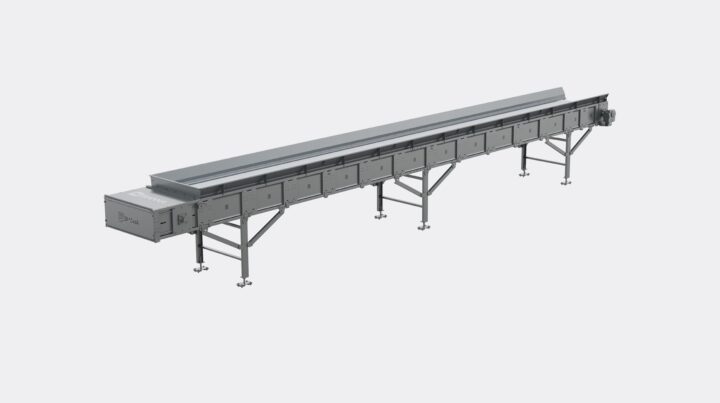
Conveyor Belt
Specifically designed to link equipment, accumulate material, and dose flows, thereby optimizing internal transport and logistics.

More information
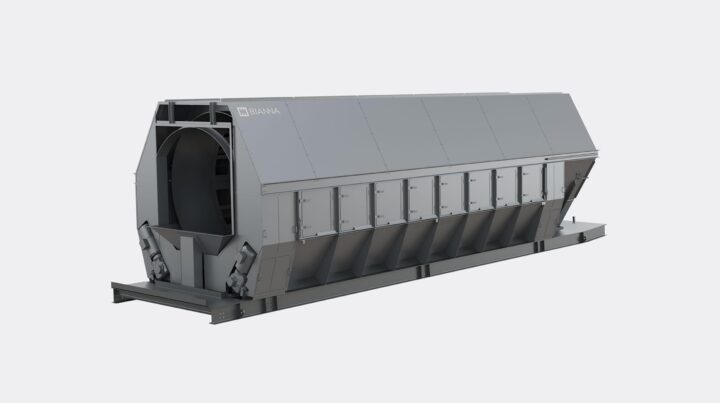
Trommel
Screening adapted to treatment capacity, material to be processed, and desired particle sizes, among others.
More information
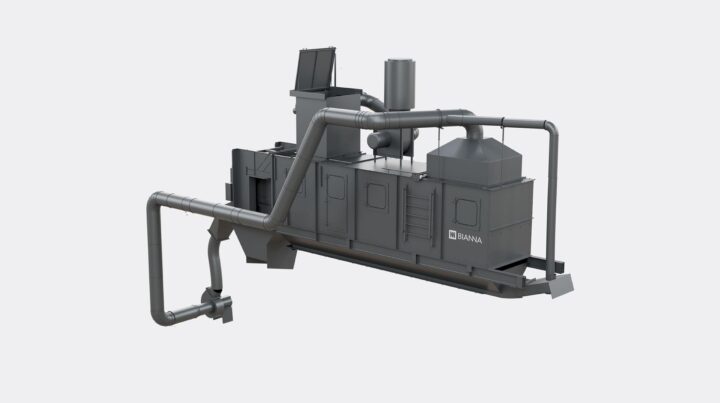
Windsifter
Densimetric separator for the separation of light material intended for SRF production, segregating heavy fractions (inerts) and protecting secondary shredders.
More information
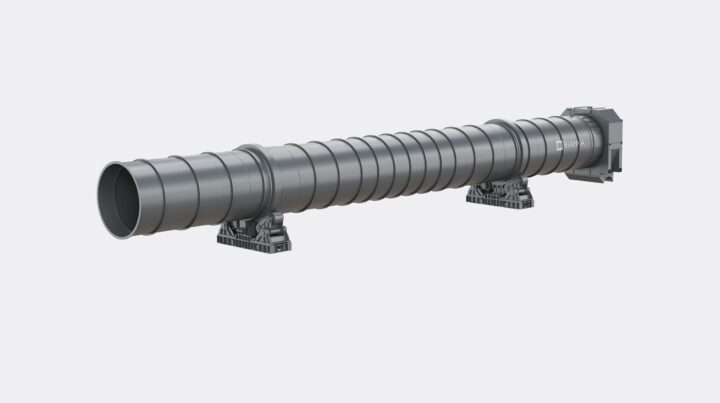
Biodrum
- Quality compost production
- SRF
More information