BD Biodrum
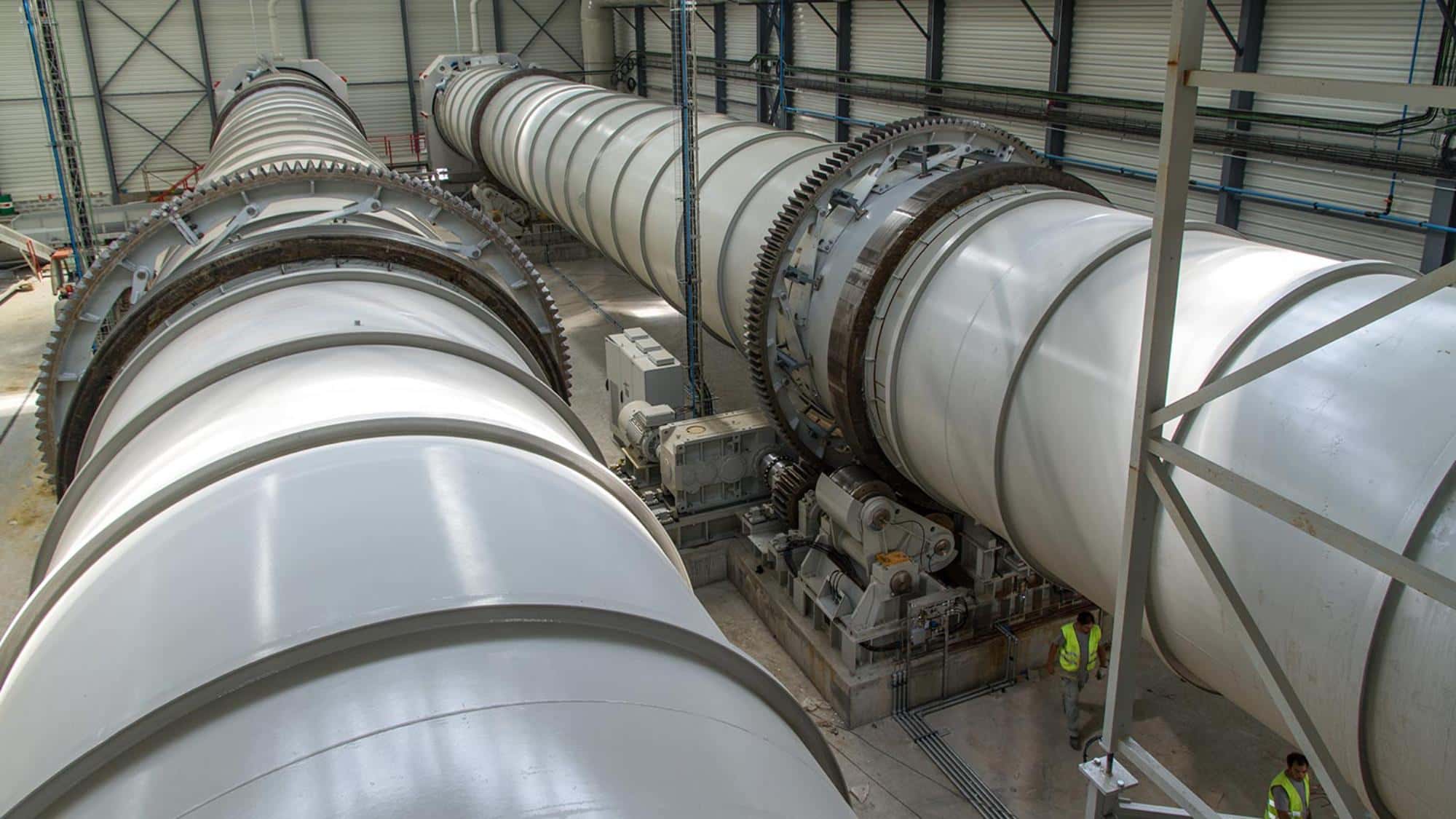
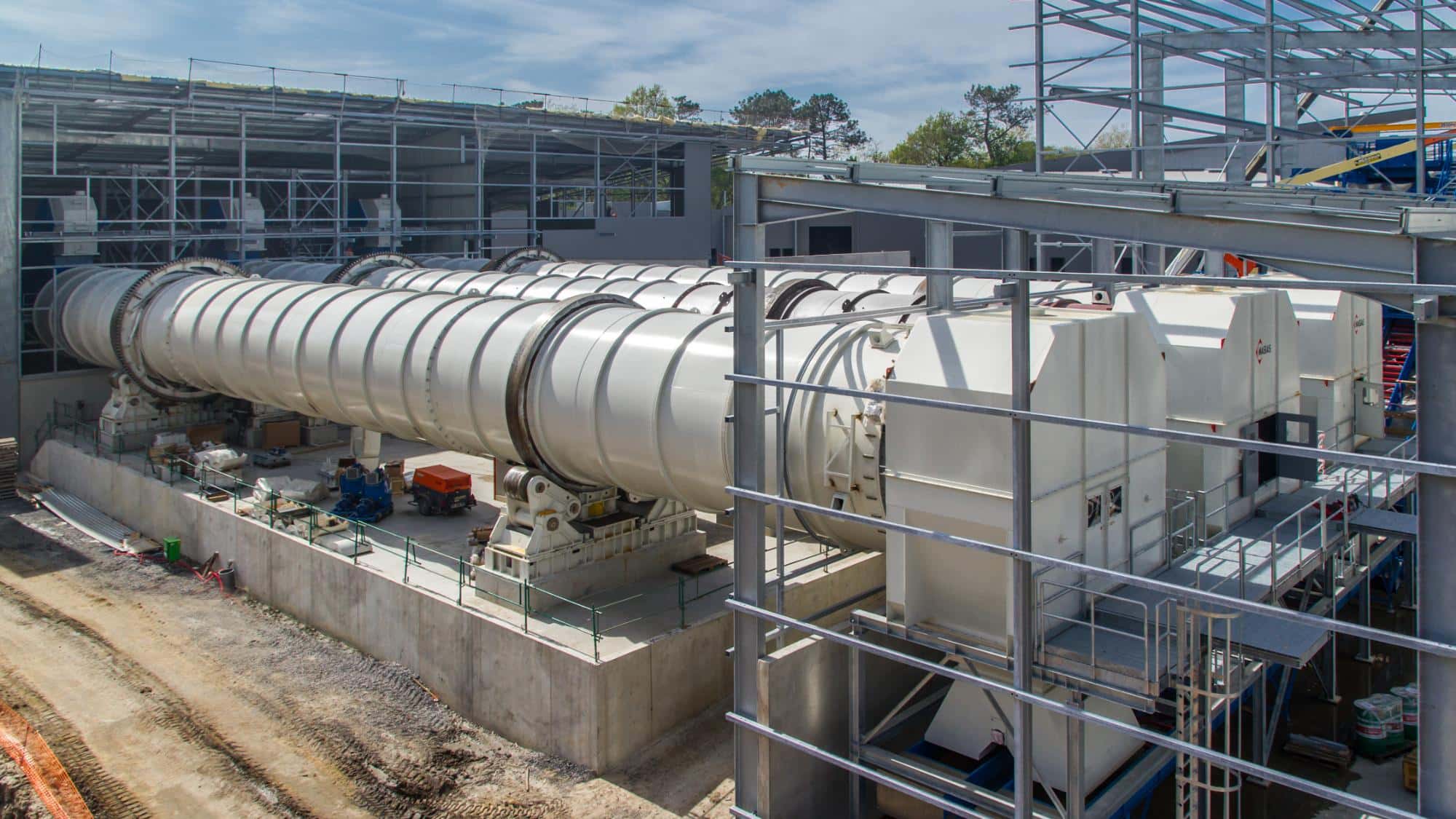
A key piece of equipment in mechanical biological treatment (MBT) plants. It is designed to process the organic fraction of waste using robust and reliable technology that facilitates accelerated aerobic degradation and the preparation of materials for subsequent recovery.
Simple, robust, and reliable technology designed to rewrite the history of waste management.
Drastic reduction of rejects
Decreases the amount of material destined for landfills by sanitizing and reducing the volume of the organic fraction.
Superior homogenization
Optimally mixes the organic fraction with lignocellulosic materials (paper, cardboard, natural textiles).
Natural drying
Reduces the moisture content of the waste by up to 10% through the biological thermal process.
Increase in LCV
By increasing dry matter, it improves the lower calorific value of materials intended for fuel production.
Operational simplicity
Simple mechanical technology that guarantees high availability and durability.
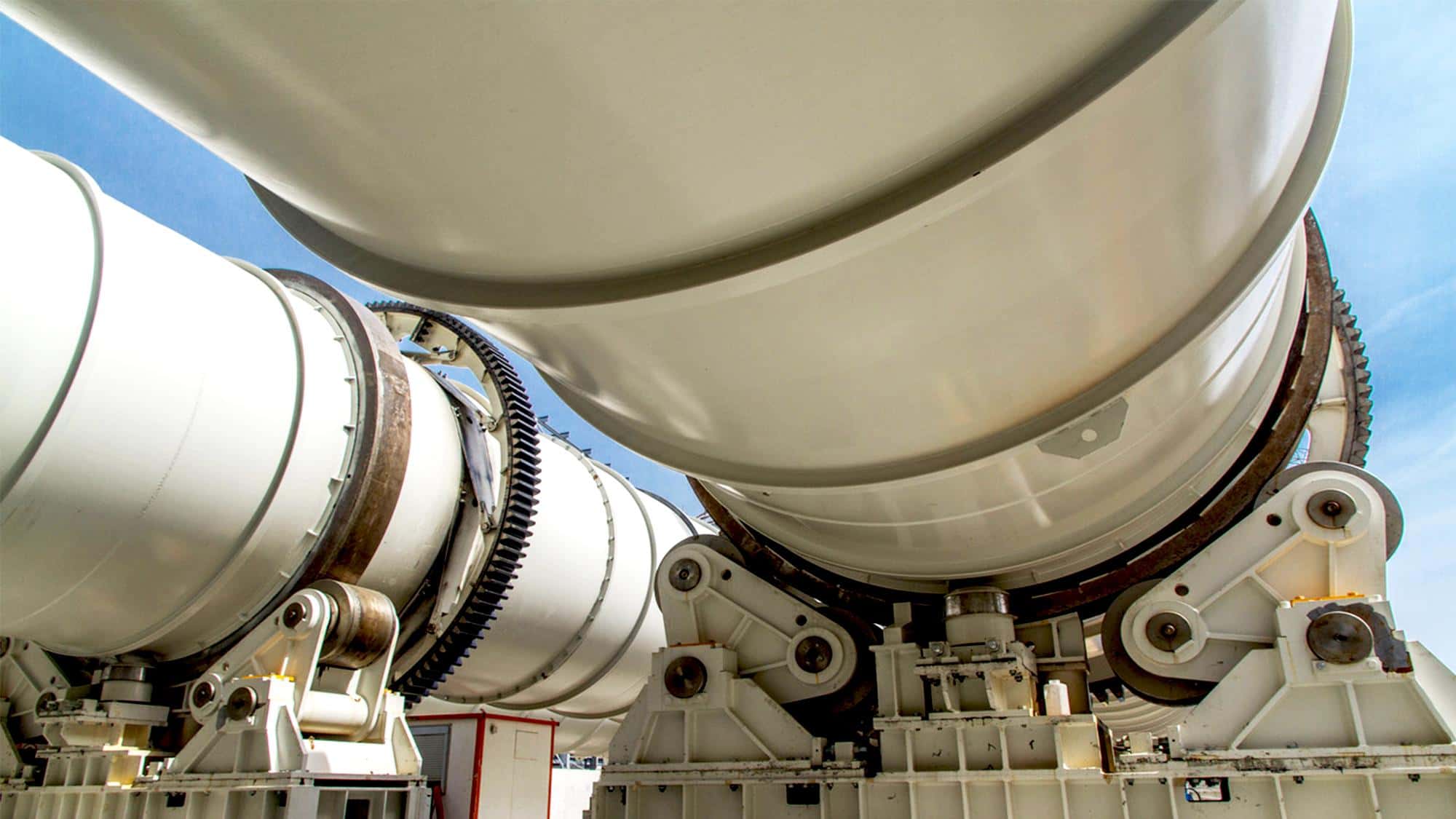
The Biodrum is a crucial engineering component in the recycling value chain, designed as a large-scale cylindrical body. Its design is optimized to perform a biological-mechanical pre-treatment of waste, simultaneously achieving partial degradation and drying (moisture reduction) of the material through controlled rotating movement.
Main Applications within a Plant
The Biodrum is a versatile technology, fundamental in municipal waste treatment facilities.
It is recommended for:
- Compost production: an essential preliminary step to obtain high-quality compost.
- Pre-treatment for Anaerobic Digestion: prepares optimal biodegradable matter for digesters.
- SRF production: generation of Solid Recovered Fuels (both “Green SRF” and plastics).
- Energy recovery: fuel conditioning for gasification or pyrolysis processes.

Renting Options
Discover Bianna Renting Services and access Bianna technology without initial investment.
Request a financing studyBiodrum in action
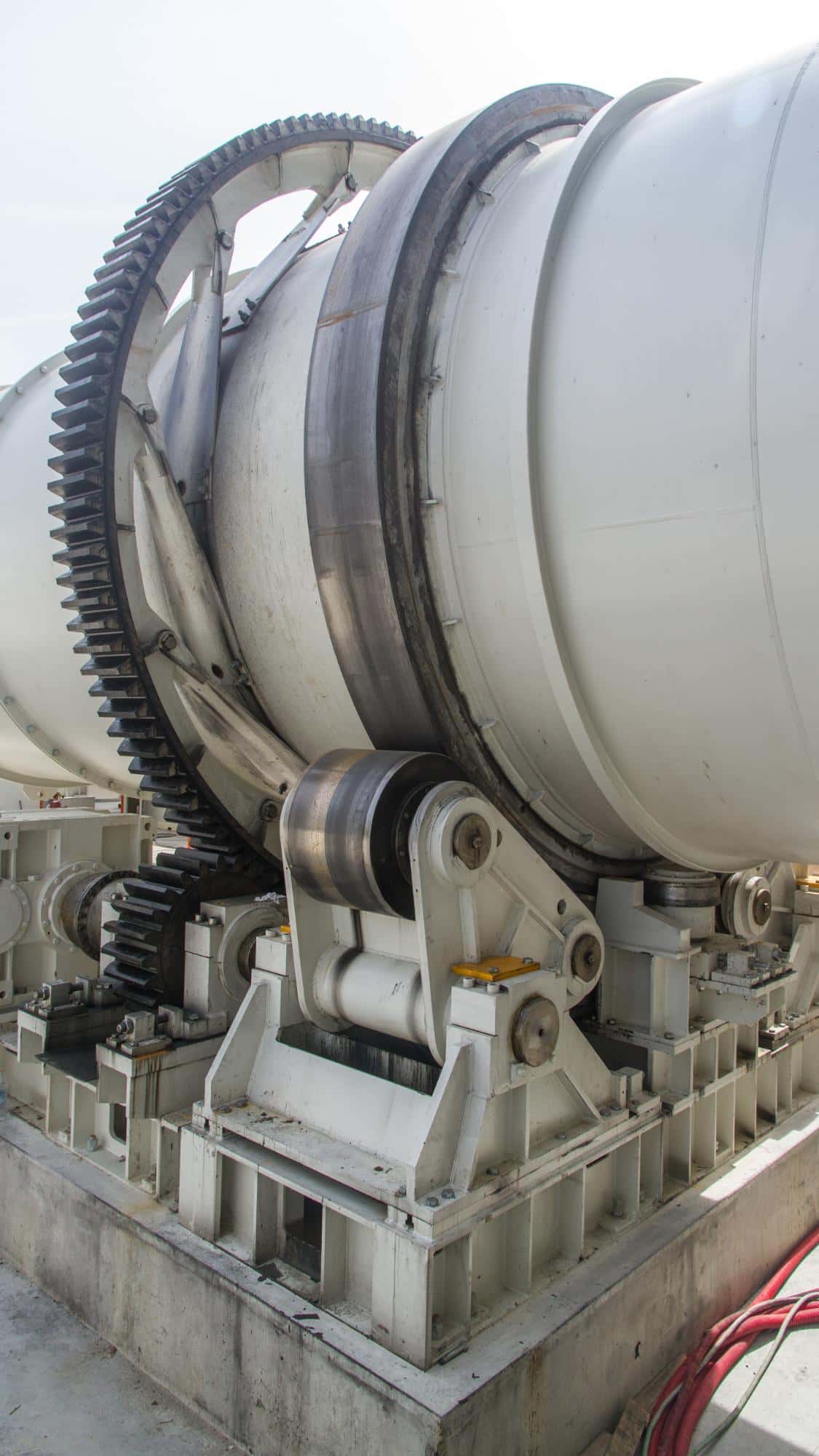
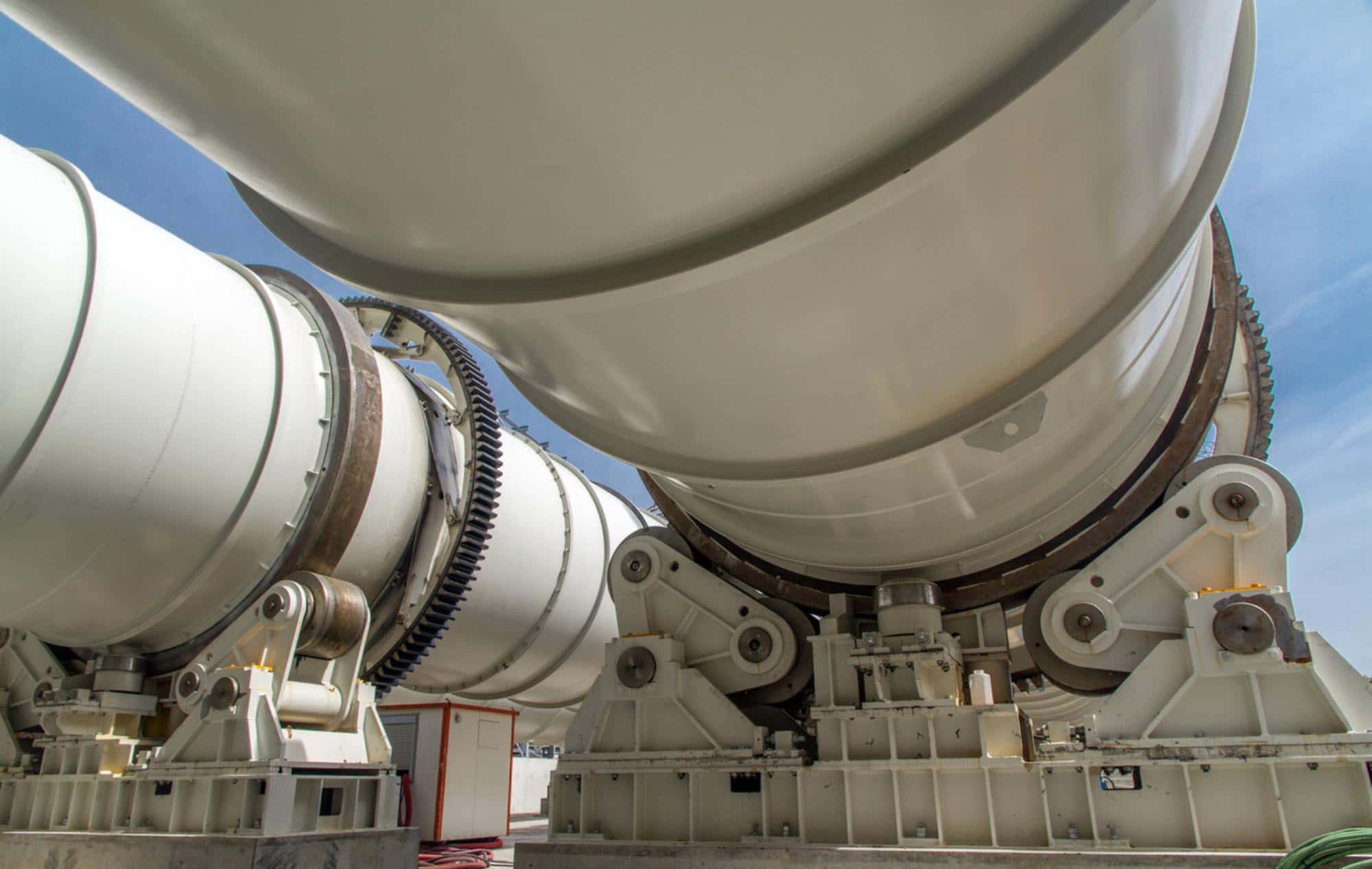
Showroom and training
Bianna Greenways, to see our plants and equipment in real operation
Request a visitTechnical specifications
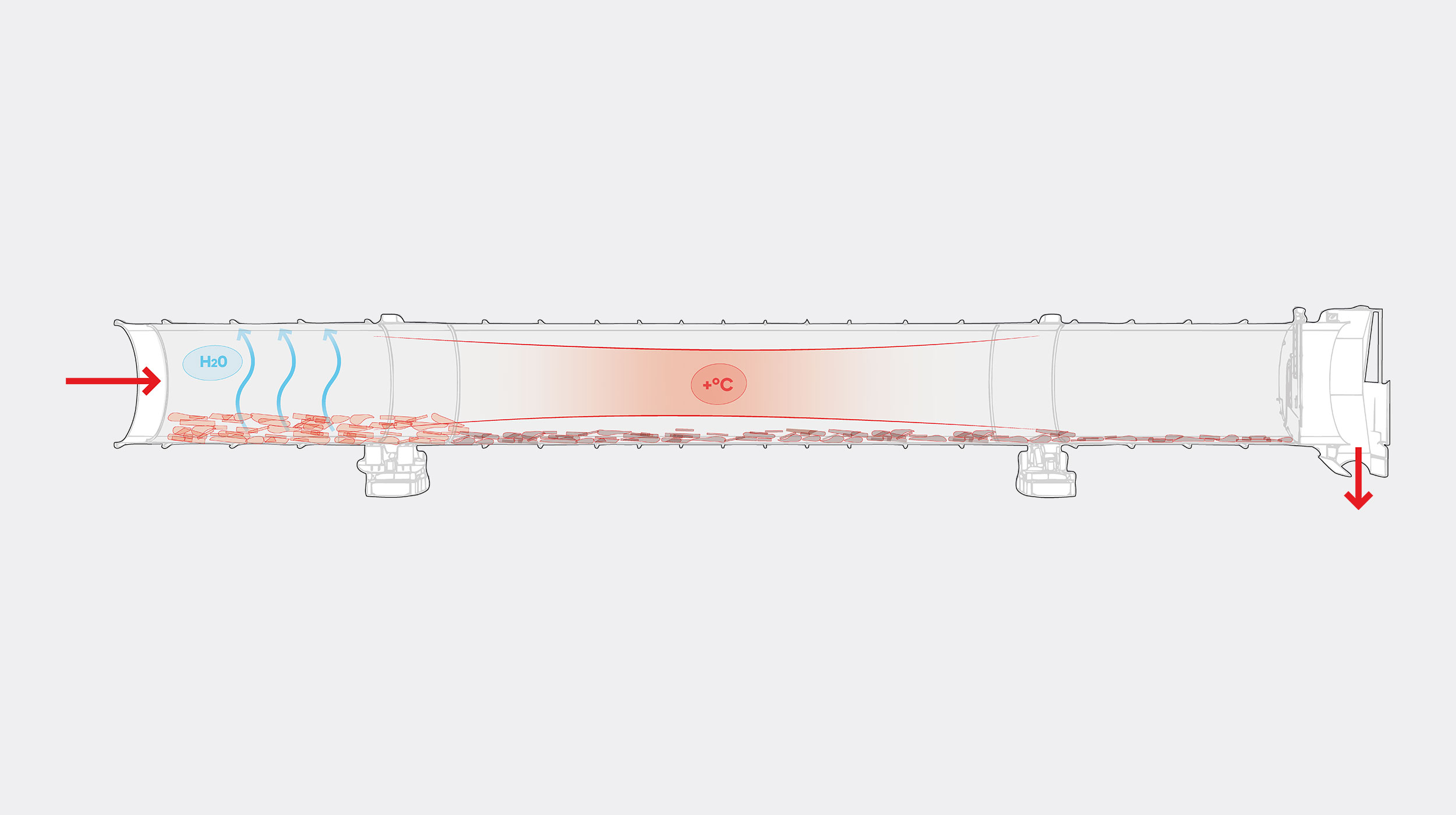
Tolva de alimentación
Entry point where municipal solid waste enters the drum to begin its transformation cycle.
Water evaporation (H2O)
Initial phase where approximately 6% of the total waste weight is removed through moisture evaporation.
Start of organic degradation
Stage where biological decomposition begins, causing a natural temperature increase due to the energy released by the reaction.
Secondary air addition
Air injection in the opposite direction to the waste flow to supply the necessary oxygen that keeps the degradation reaction active.
100% bag opening
Point in the process where, thanks to rotation, all bags are ensured to have opened and their contents are fully exposed to treatment.
Material discharge
Final point of the equipment through which the stabilized and processed product is evacuated.
Features and components
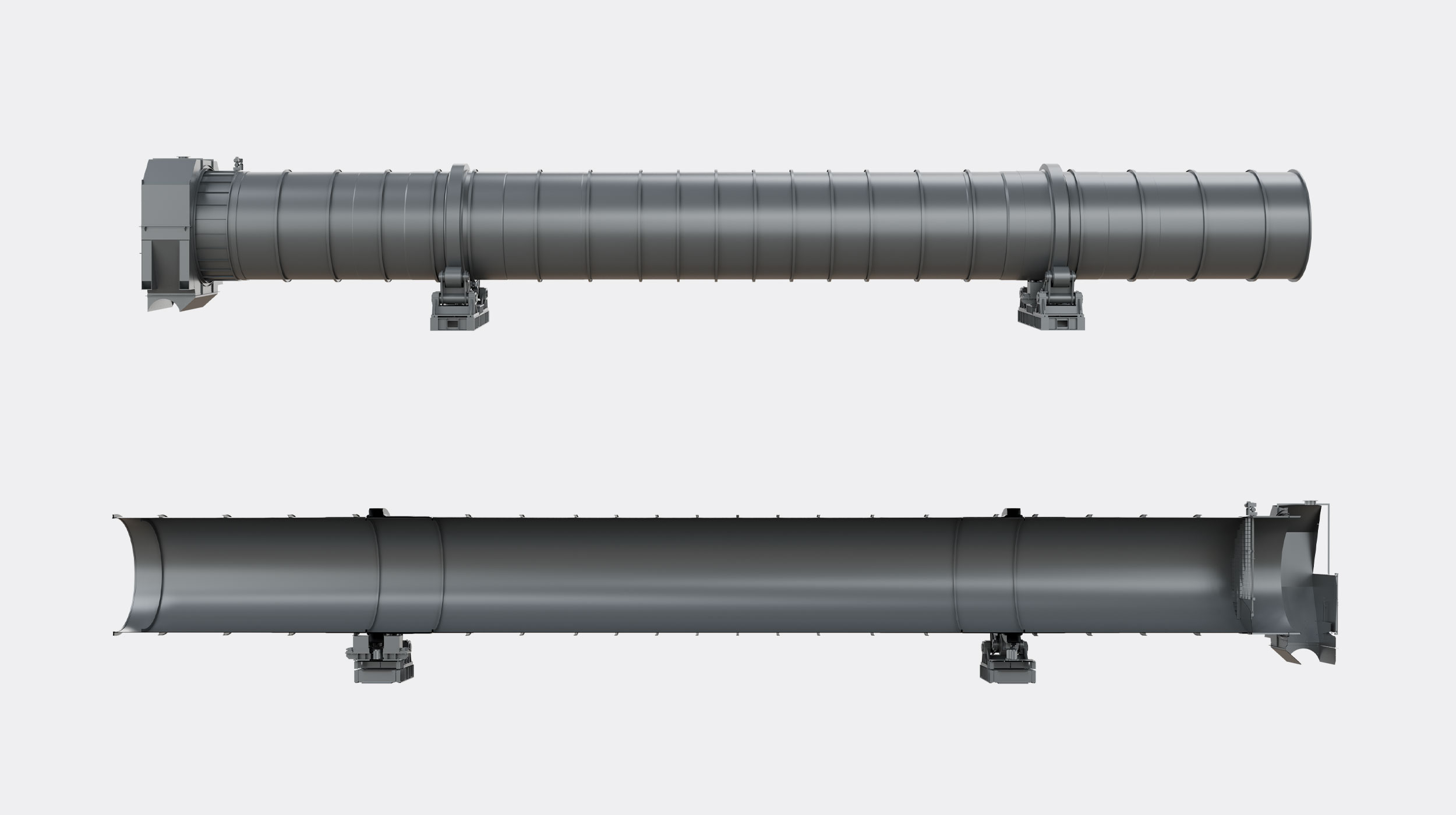
Available models
BD2.5/25
Inner Diameter (mm)
2000
Overall Length (mm)
25.800
No. of Blades
4
Power (kW)
45
Volume (m³)
75
Weight
49,000
BD3.0/30
Internal Diameter (mm)
3.000
Total Length (mm)
29.300
Power (kW)
55
Volume (m³)
123
Weight
52.000
BD3.6/32
Inner Diameter (mm)
3660
Total Length (mm)
31900
Power (kW)
90
Volume (m³)
215
Weight
100,000
BD3.9/35
Inner Diameter (mm)
3.880
Total Length (mm)
35.300
Power (kW)
145
Volume (m³)
264
Weight
160.000
BD4.2/50
Internal Diameter (mm)
4.250
Total Length (mm)
48.000
Power (kW)
250 (max.)
Volume (m³)
490
Weight
270.000
Aftersales Services
Maintenance, technical service and spare parts. Minimise downtime, maximise results.
Request informationOperation
Disintegration, drying, and classification in a continuous process
The process is based on the slow rotating movement of the cylinder (0.5 – 1.5 rpm at a 0° inclination):
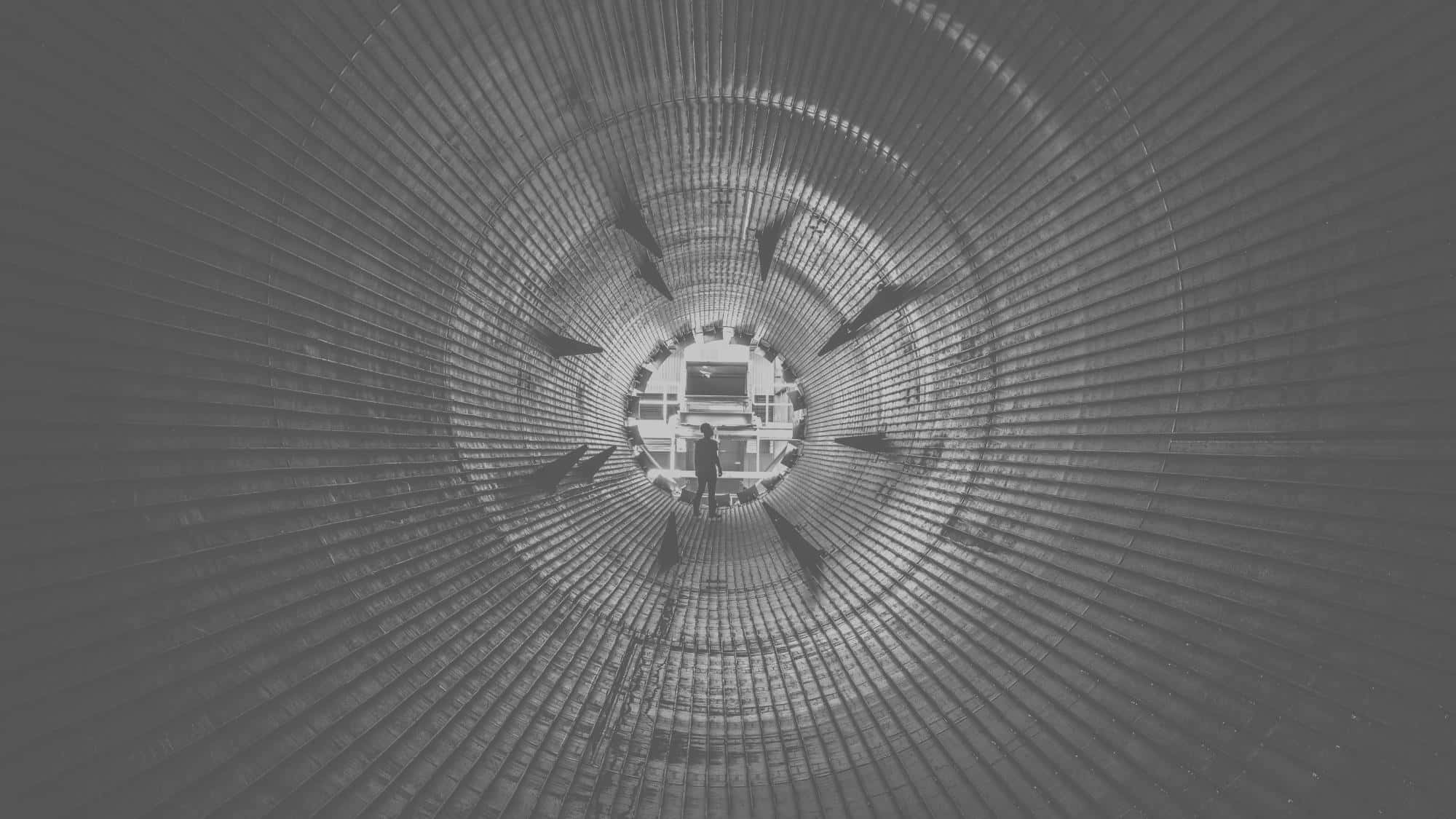
- Infeed and disintegration: the material enters and is forced forward by acceleration plates (UPN) and internal profiles (HARDOX IPE300).
- Degradation and drying: the rotation movement, together with the internal mechanical action, disintegrates the material fibers and reduces its moisture content.
- Climate control: the Blow-in System is used to inject air into the discharge area, facilitating drying and partial degradation.
- Output classification: after treatment, the material is typically transferred to a trommel to classify the organic fraction.