BIO Biological treatments
Biological treatments are a fundamental stage for maximising the recovery of municipal solid waste and organic waste. The application scope of our solutions covers virtually all areas of municipal management, such as sorting, composting, anaerobic digestion, incineration and controlled landfilling. By using simple, robust and highly reliable technologies, we significantly reduce the volume and moisture of the waste—an essential step that dramatically improves the separation and recovery of the different fractions in subsequent stages of the process.
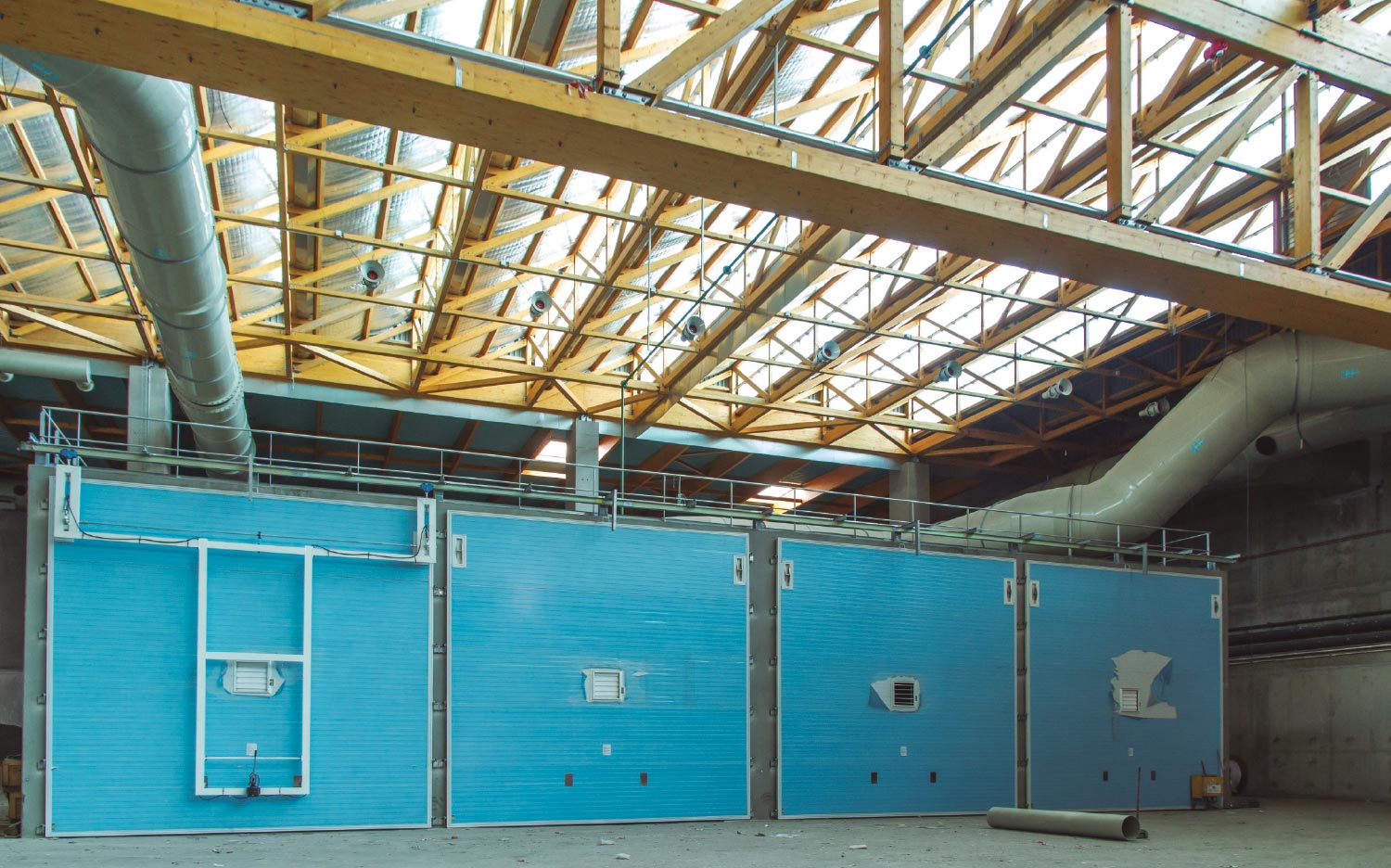
Volume reduction, stabilisation and maximum efficiency for a low-emission circular economy.
Low emissions and energy transition
They are key facilities for moving towards an energy-neutral model, reducing the amount of waste that ends up in landfills and preventing polluting emissions.
Maximum material disaggregation
The process breaks and separates the fibres of the incoming material, greatly facilitating subsequent sorting.
Moisture and volume reduction
It accelerates waste drying, optimising logistics costs and preparing the mass for secondary treatments.
Robust and reliable technology
Based on highly durable equipment designed for the toughest demands of waste treatment.
Increased overall performance
By cleaning the recoverable fraction of organic residues, the efficiency of downstream optical and ballistic separators is increased.
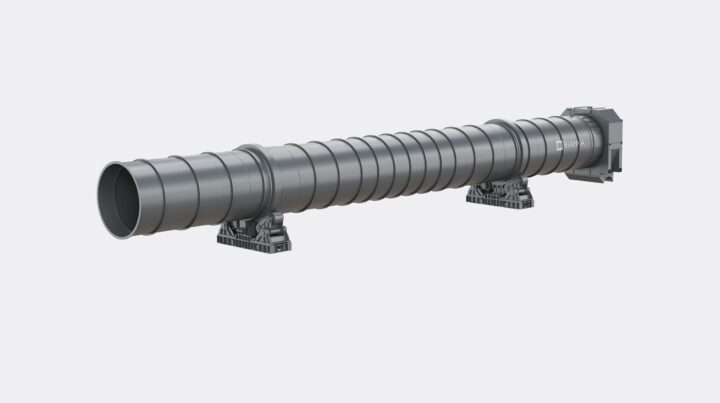
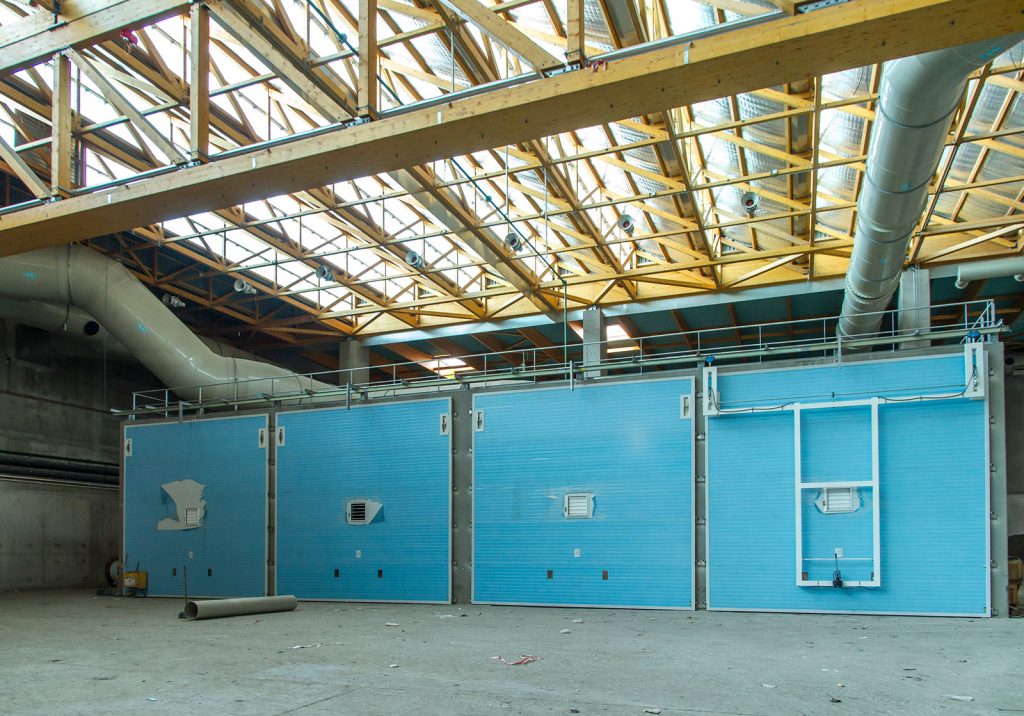
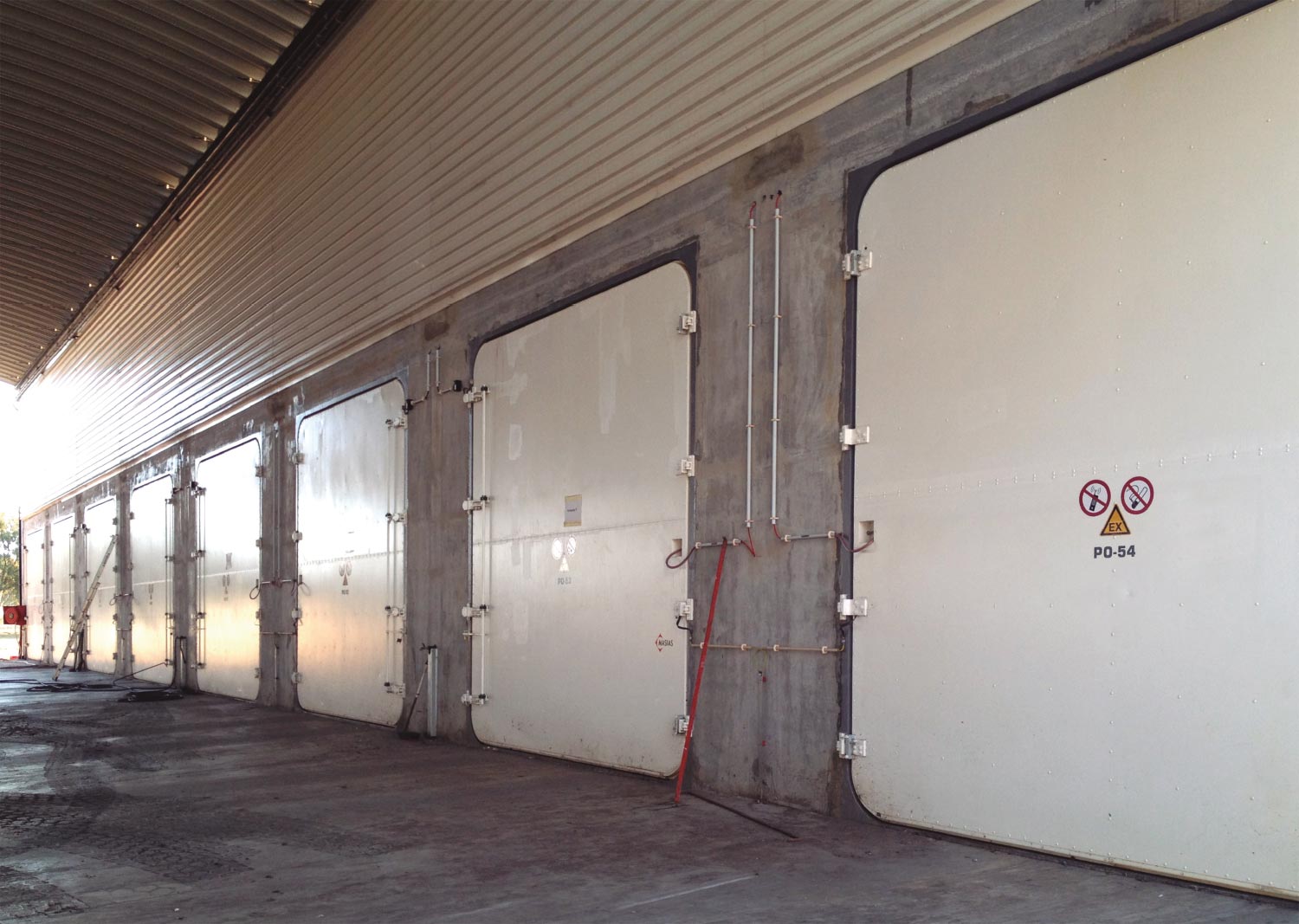
Bianna’s Biological Treatment plants integrate large-scale processes and equipment (with the Biodrum as the flagship) designed to operate continuously 24 hours a day. The heart of the facility consists of degradation systems that subject the material to slow, constant rotary movement, combining mechanical friction with forced aeration systems (blow-in type with integrated fans). This controlled environment of slow rotation and temperatures between 30°C and 55°C ensures that the waste is homogenised, disaggregated and partially degraded in an optimal manner.
Transforming waste into valuable resources
From waste
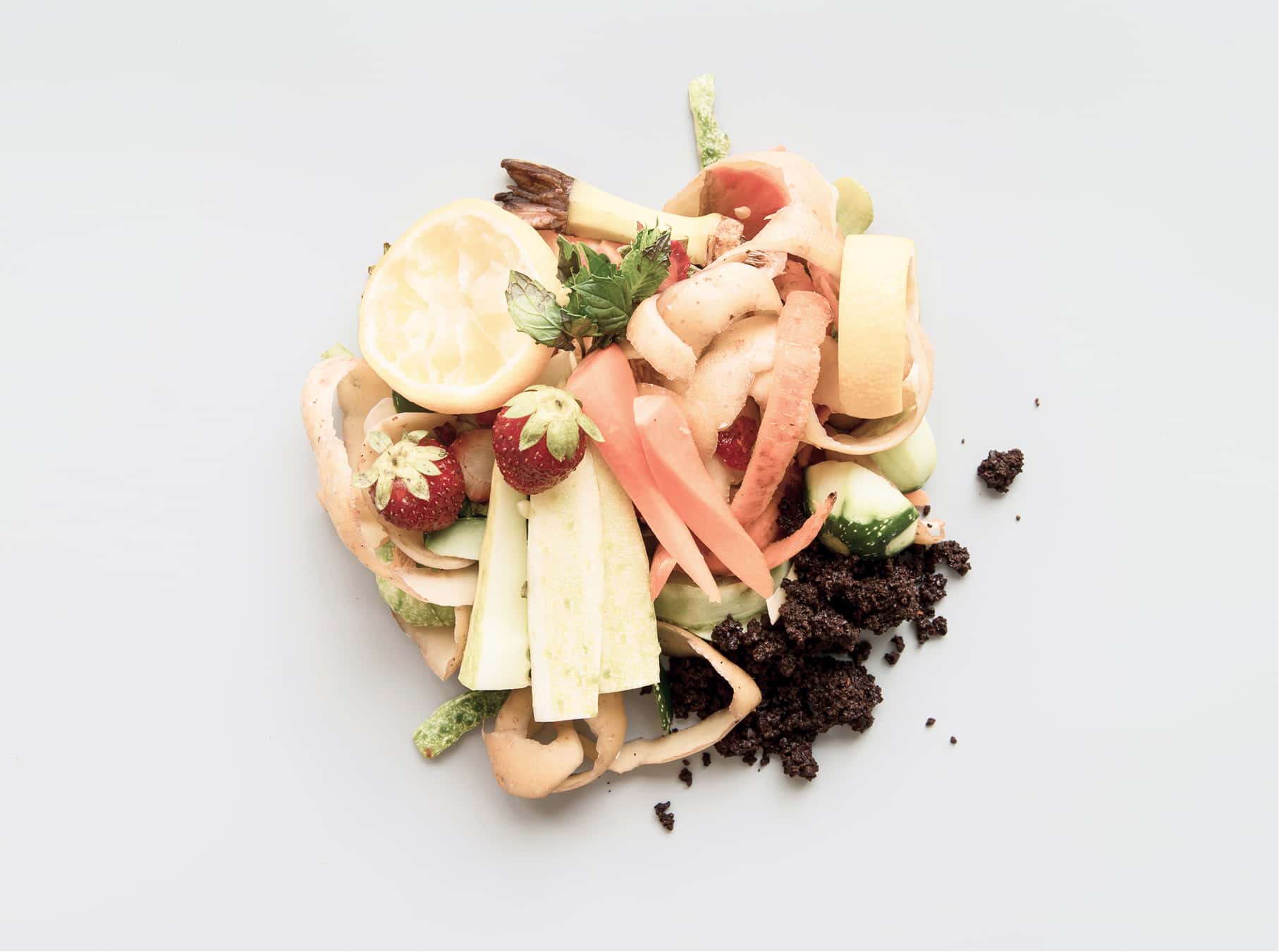
Types of waste entering the plant
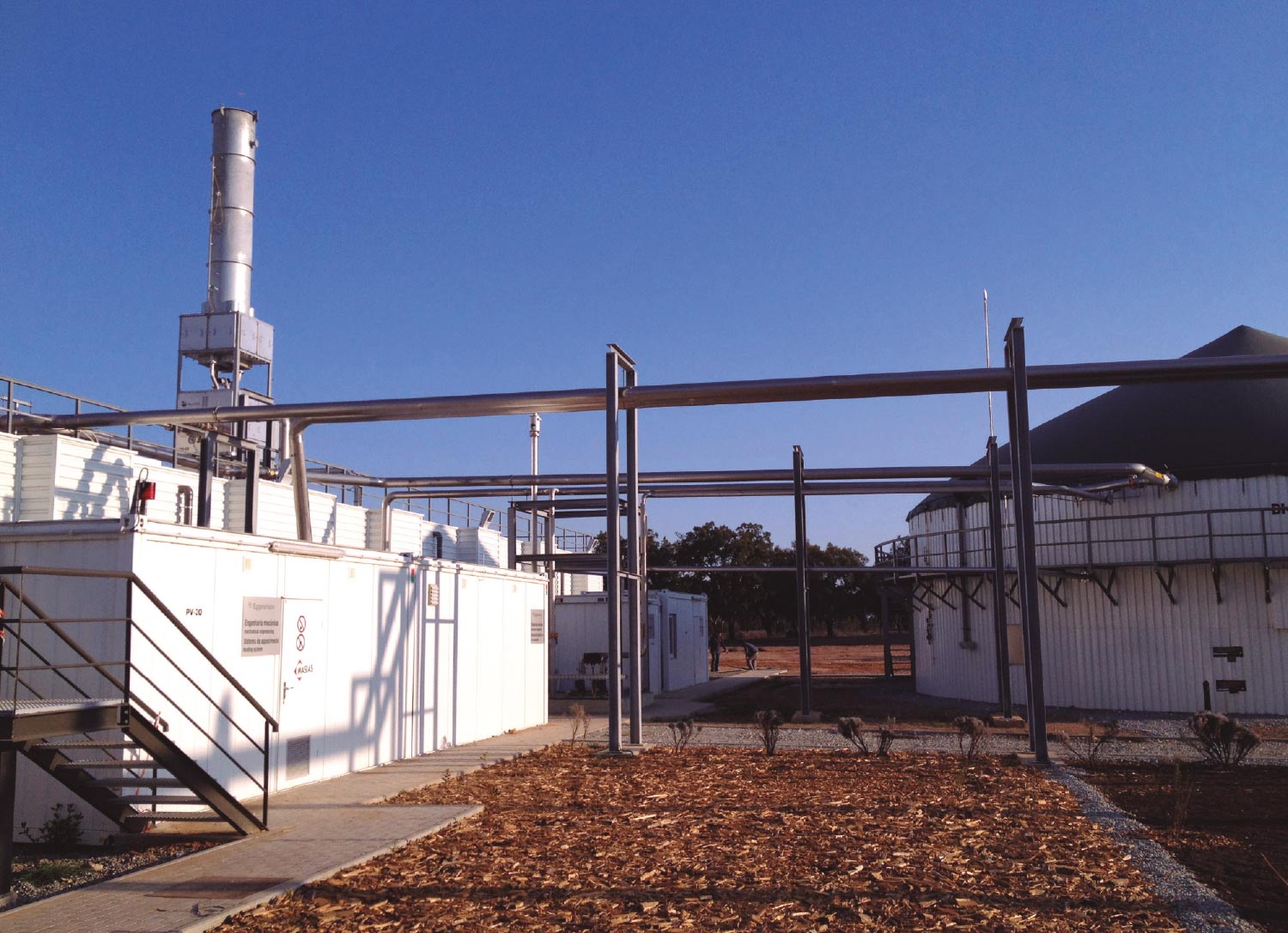
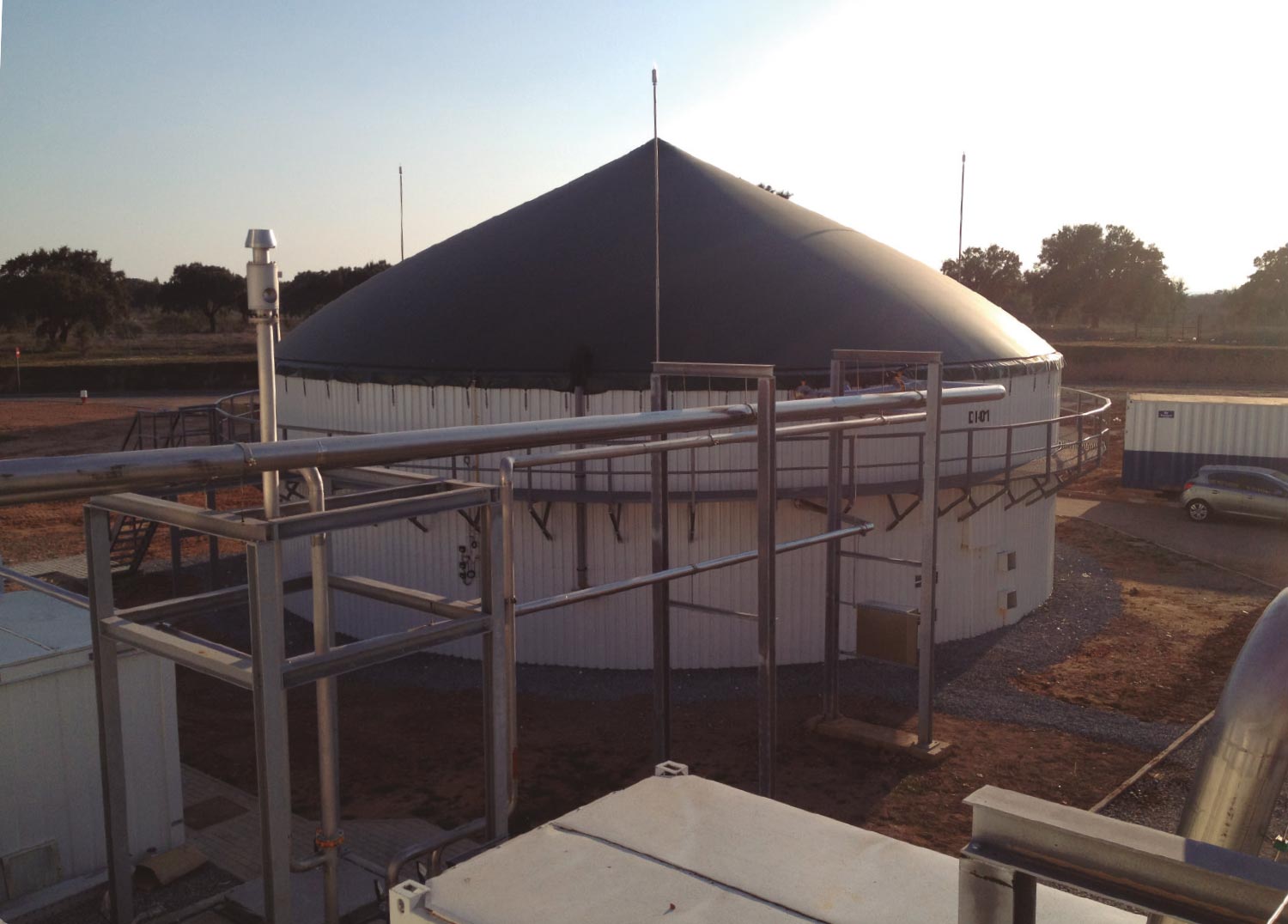
The biodegradable fraction represents a high percentage of municipal waste and requires specific processes for proper recovery. Our plants integrate aerobic and anaerobic treatments, such as composting, biodrying or anaerobic digestion, to stabilise organic matter efficiently.
These technologies enable a significant reduction in greenhouse gases by transforming waste into energy and material resources. With this approach, we close the loop in biological treatment, obtaining high-quality compost or biogas. The result is sustainable management that maximises project profitability by recovering the hidden value in the organic fraction.
To resource
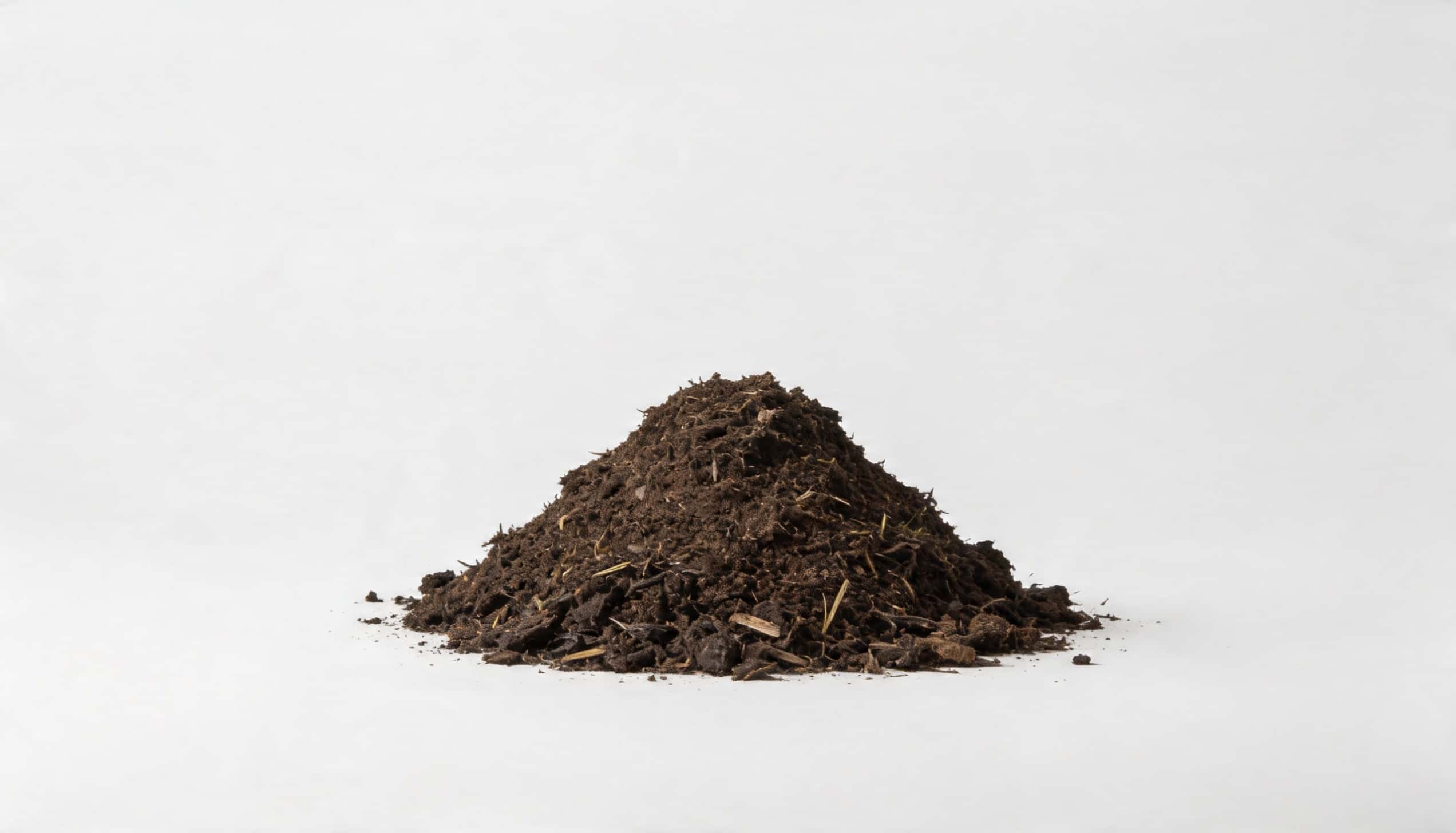
Recoverable materials obtained
- High-quality compost
- Biostabilised organic matter
- Biodried organic matter
- AD digestate compost
- Biodried SRF, from MSW
- Biogas / electricity (AD)
Renting Options
Discover Bianna Renting Services and access Bianna technology without initial investment.
Request a financing studyOperation
Unlocking the potential of organic waste
Plant operation is based on the accelerated stabilisation of organic matter. The raw waste is fed into the degradation equipment (typically large rotating cylinders), where it begins a long residence-time process. Inside, continuous rotary movement turns the mass while air is injected via a fan system to promote aerobic biological activity.
This combination of heat (up to 55°C), oxygen and friction causes the material to lose moisture and break down physically.
Typically, after leaving this biological process, the stabilised material is transferred directly to a screening trommel, where the clean organic fraction is finally classified and separated from the dry recoverable waste.
Aftersales Services
Maintenance, technical service and spare parts. Minimise downtime, maximise results.
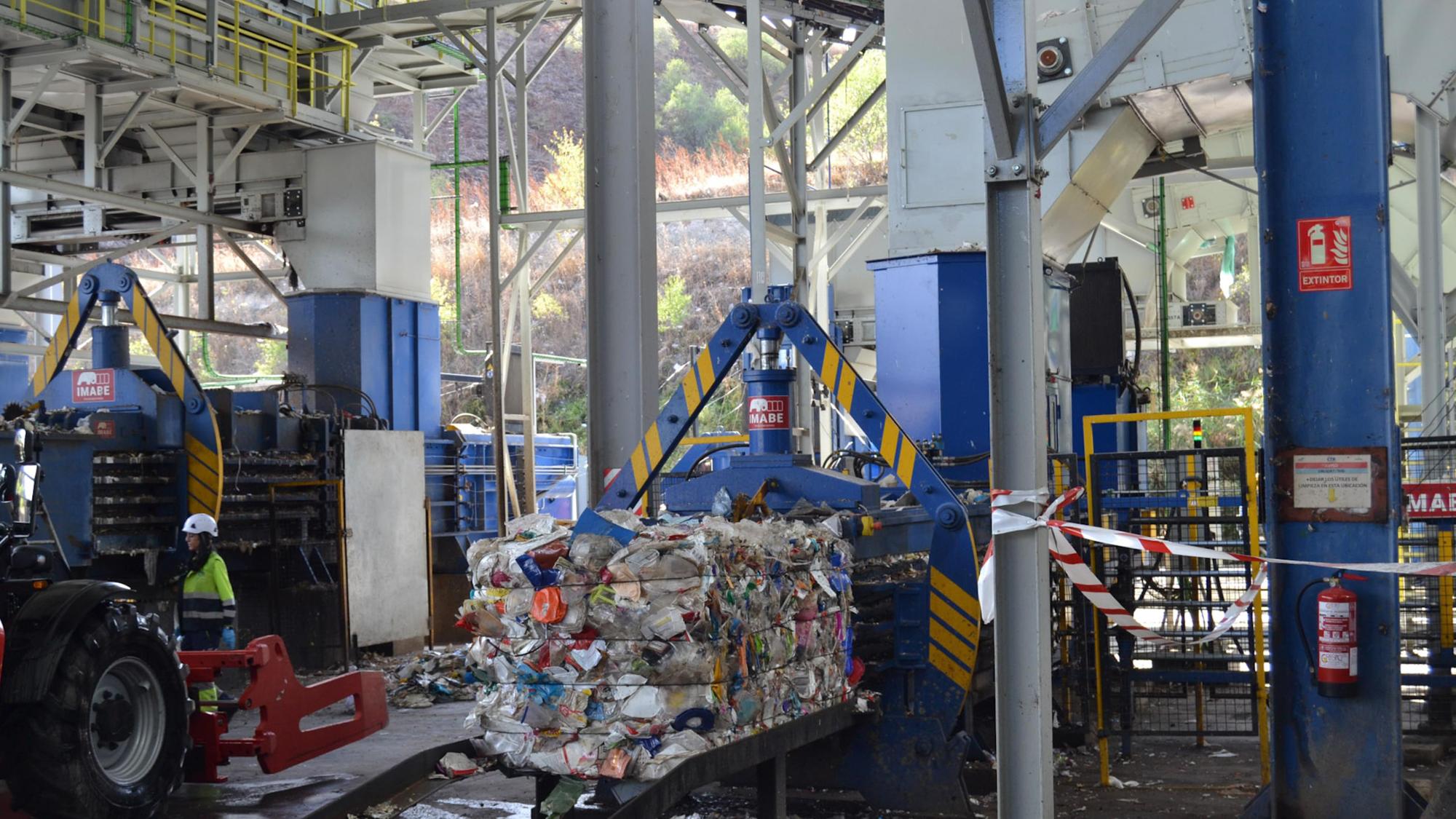
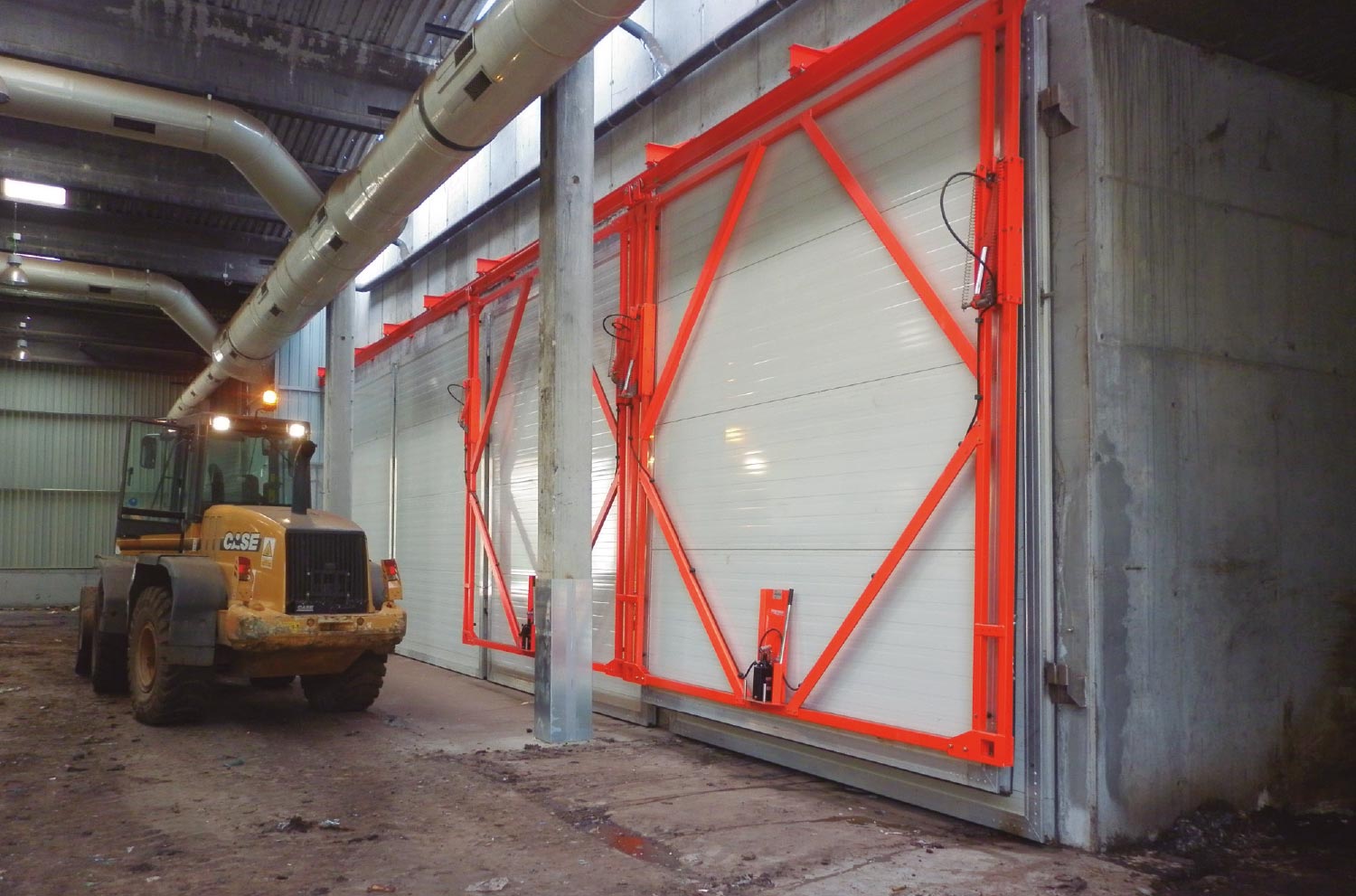
Request informationBiological treatments in action
Showroom and training
Bianna Greenways, to see our plants and equipment in real operation
Request a visitMachines included in this plant
We offer configurations tailored to each project, from compact solutions to mass processing lines.
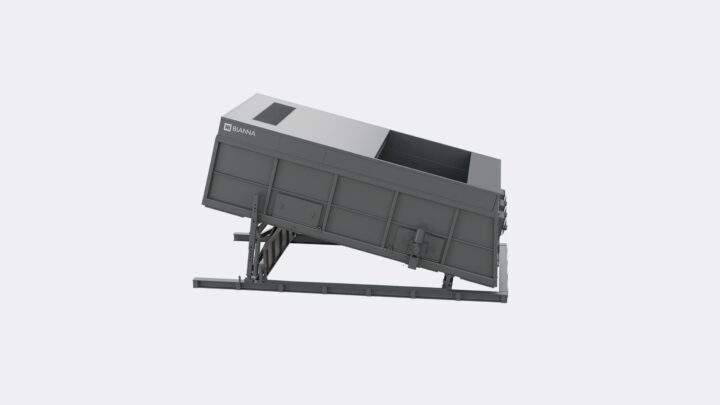
Ballistic separator
- Drying and Disaggregation
- Capacity: up to 220 m³/h

More information
Biodrum
- Quality compost production
- SRF

More information