RKC Rotary Kiln Combustion
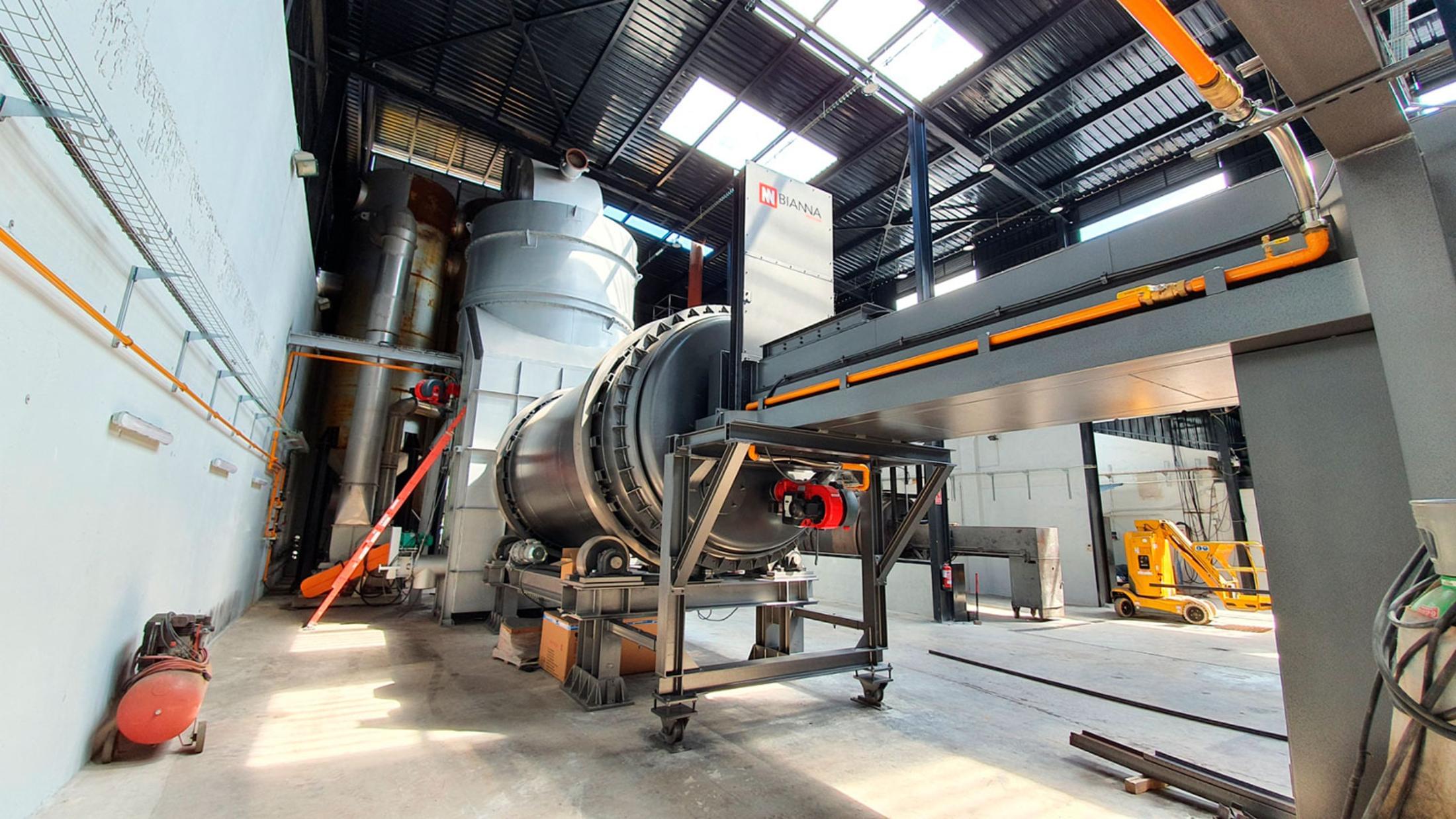
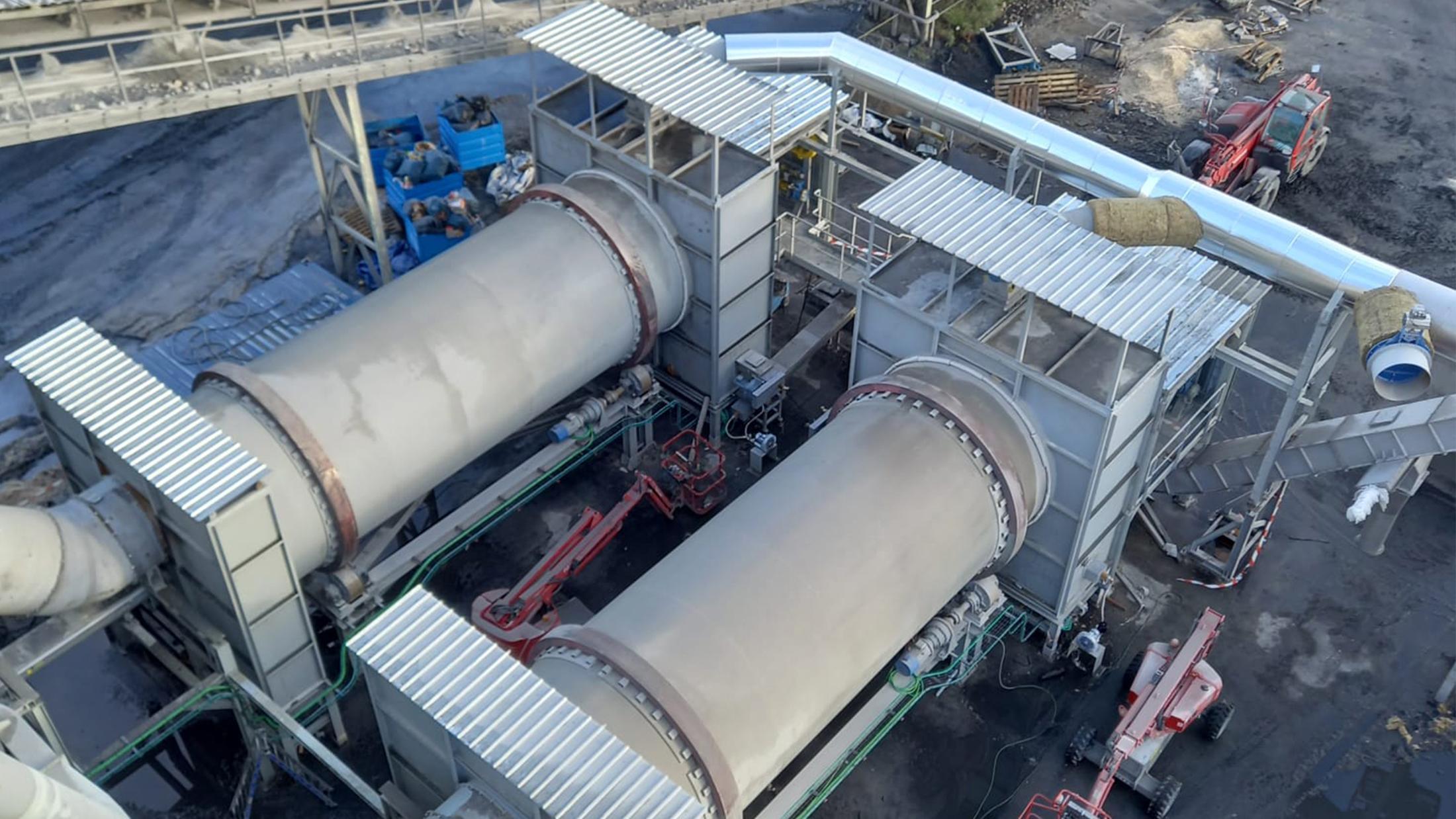
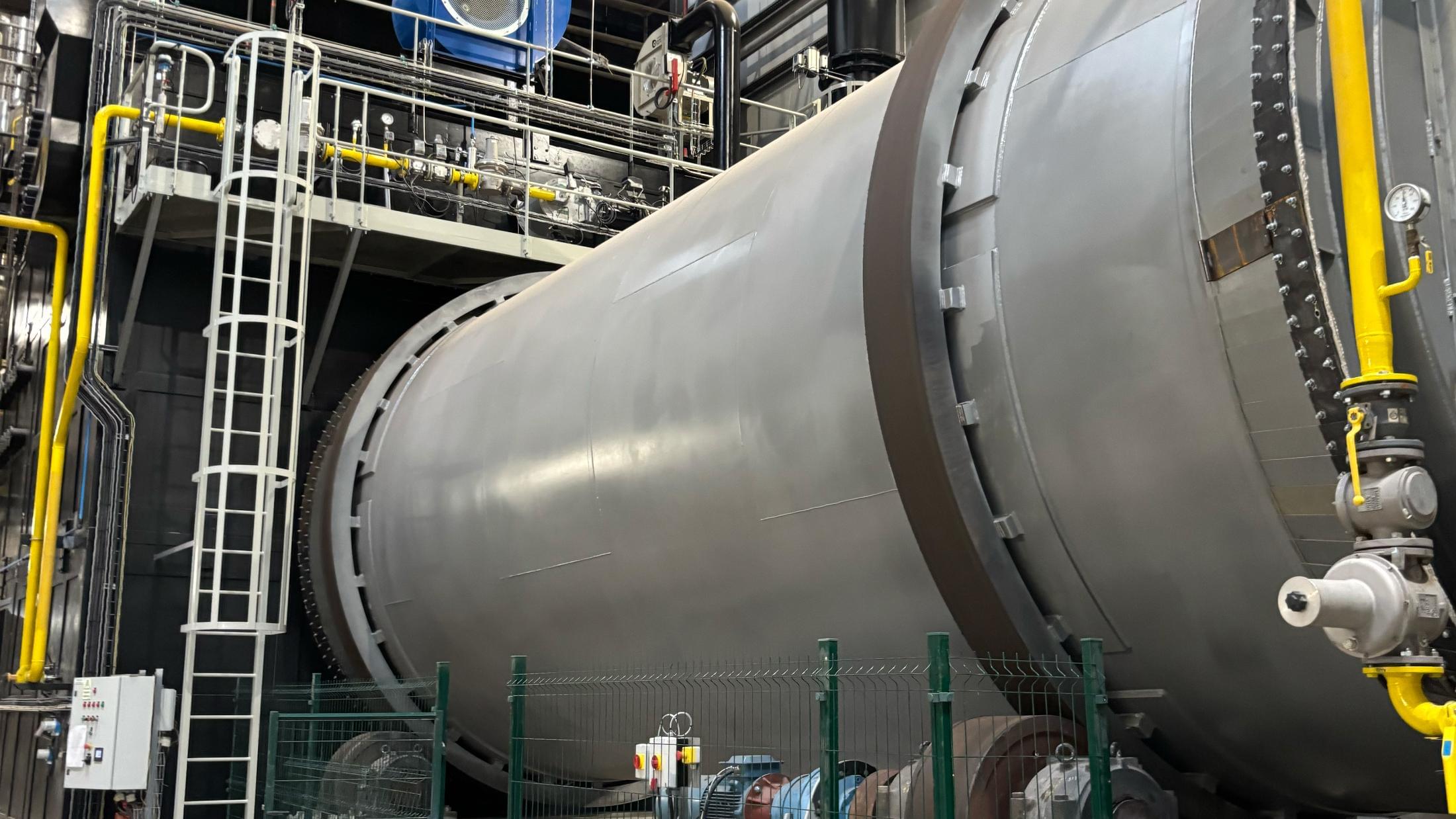
Rotary combustion system, considered the primary combustion chamber within the thermal oxidation process. It is a continuous operation rotary incinerator.
Rotary technology that guarantees the total thermal destruction of the most difficult waste.
Chemical and mechanical resistance
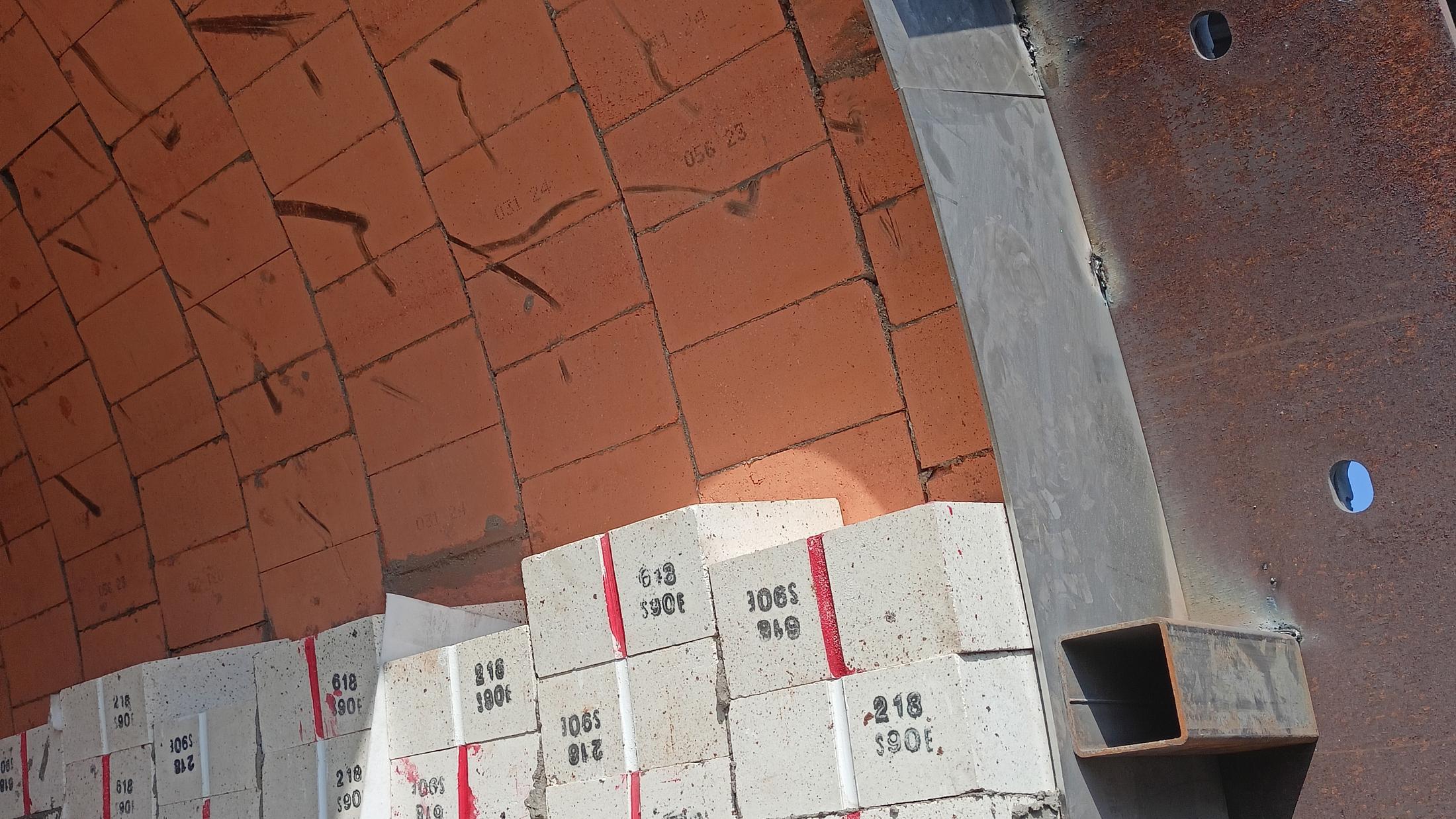
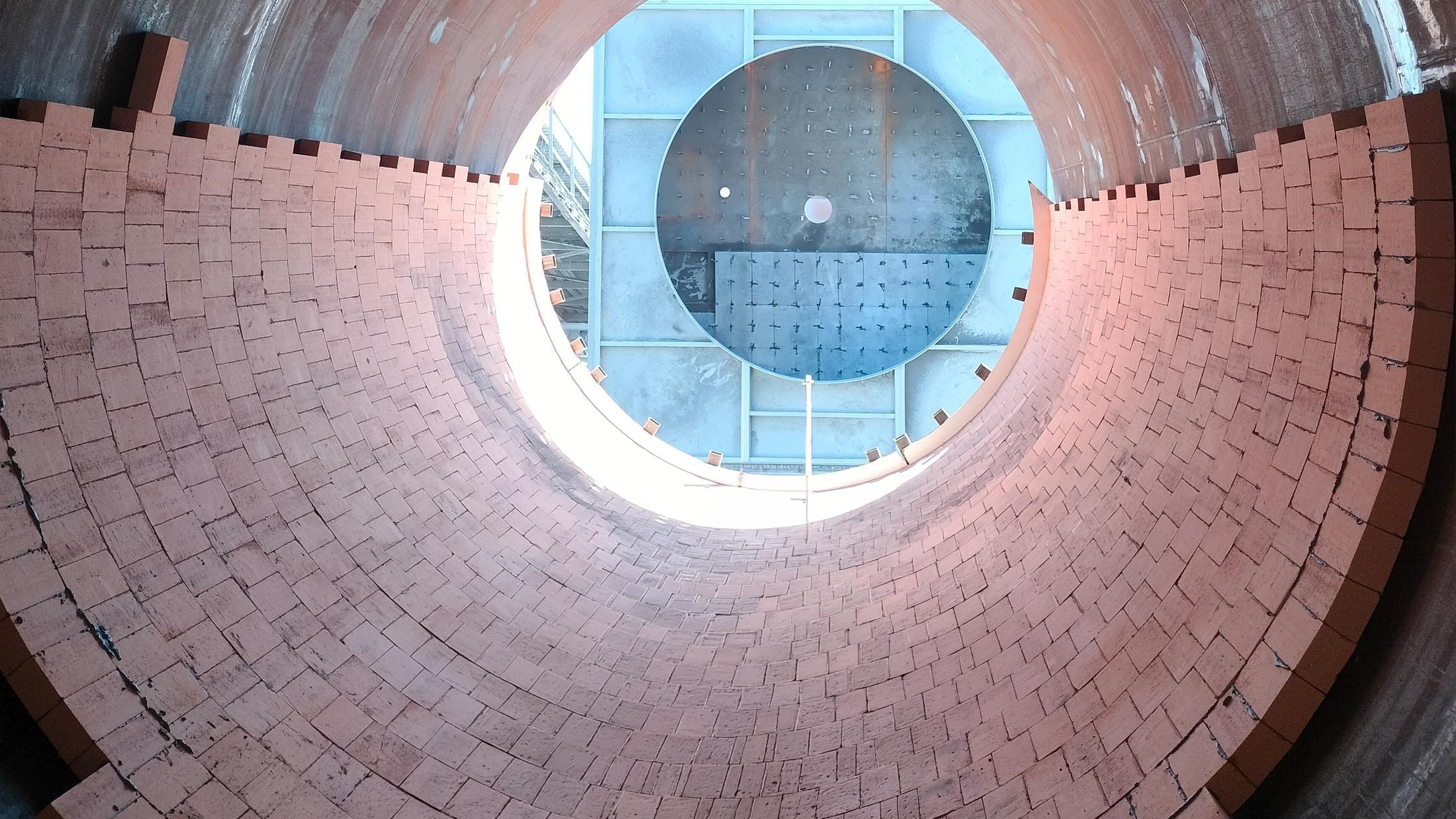
Uses high-alumina refractory to ensure resistance to wear and chemical attack from waste.
Continuous and automated operation
Features a system that allows for continuous ash discharge during operation, avoiding downtime.
Thermal efficiency
Ensures the correct distribution of air and material. Furthermore, the air used to cool the ash extraction screw can be recovered to preheat the secondary air.
Predictive maintenance
A thermographic camera continuously monitors the external temperature of the rotary unit, allowing for the prediction of cracks and damage in the refractory and the scheduling of maintenance.
By-product recovery
The burned inert material (ash) can be marketed to construction companies (fill), paving companies (bituminous mix component), or cement plants (filler material).
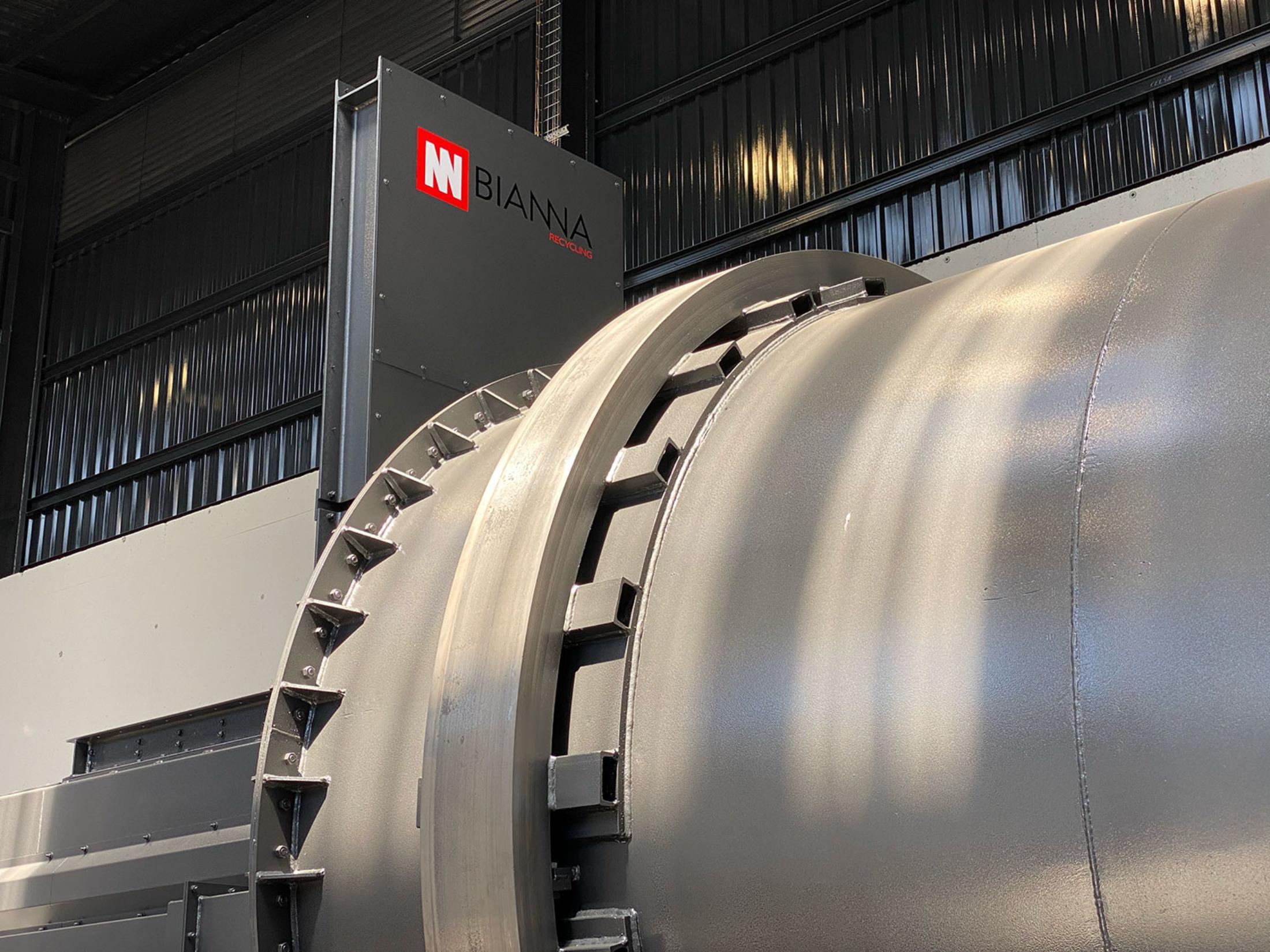
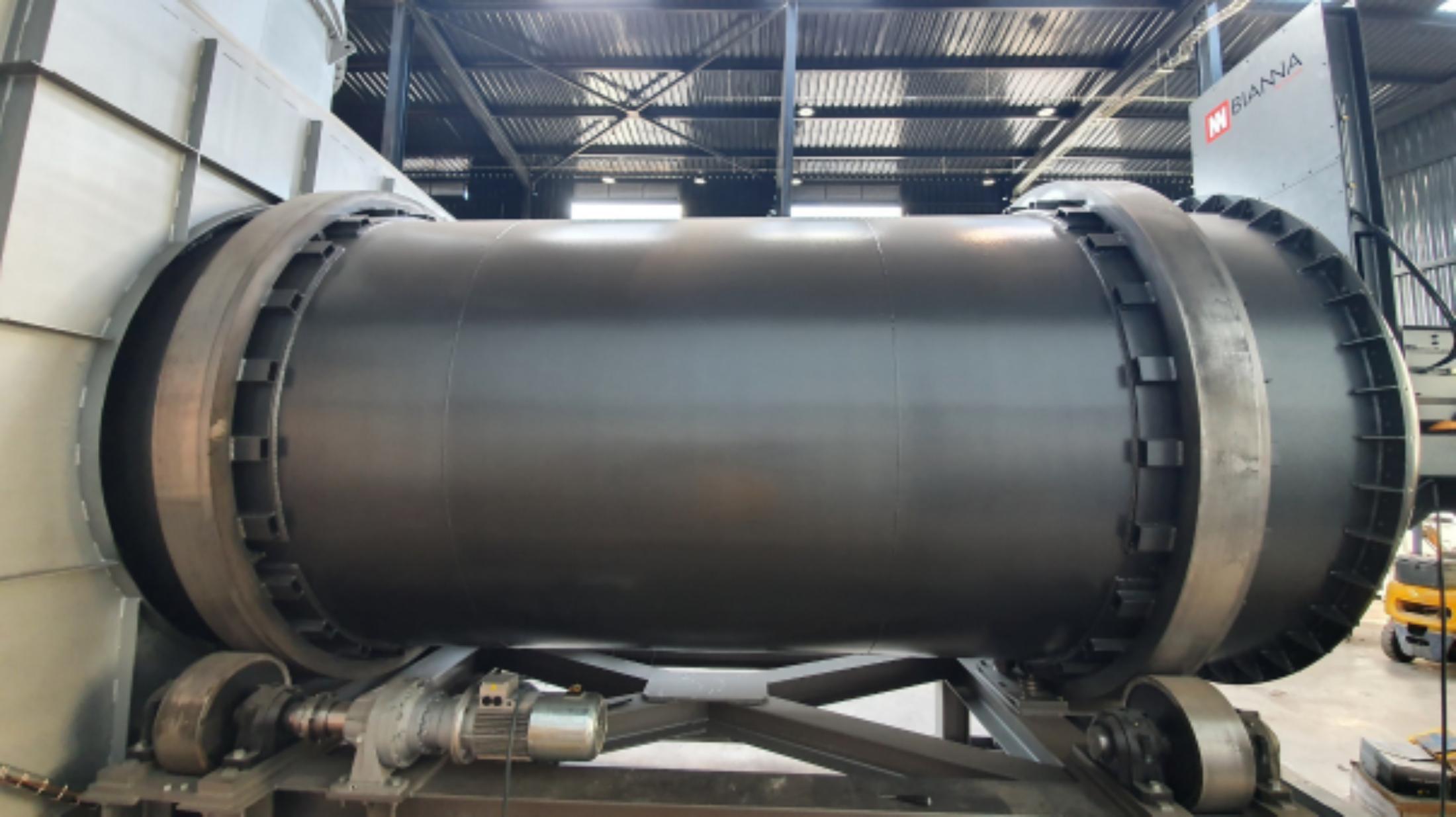
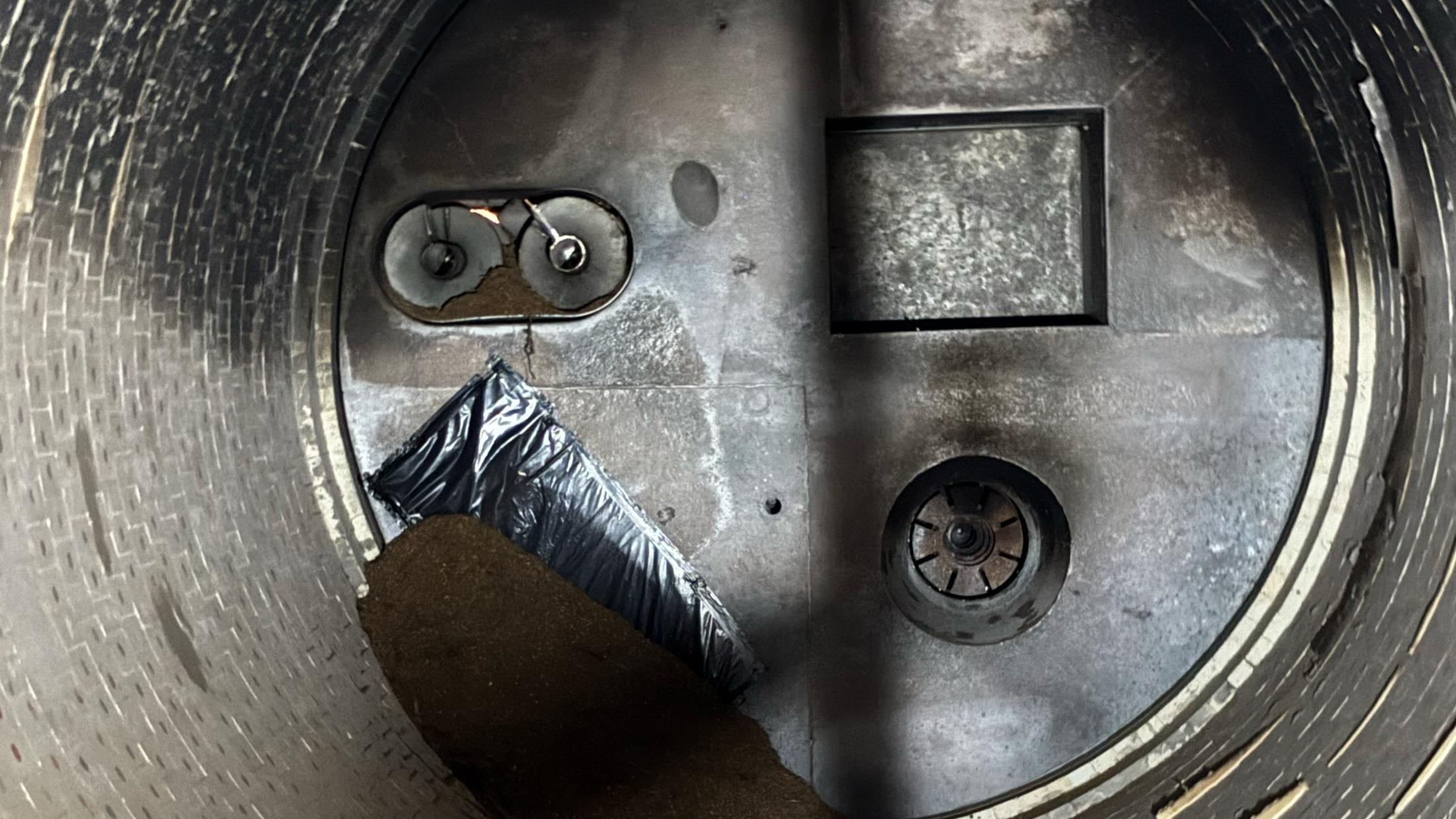
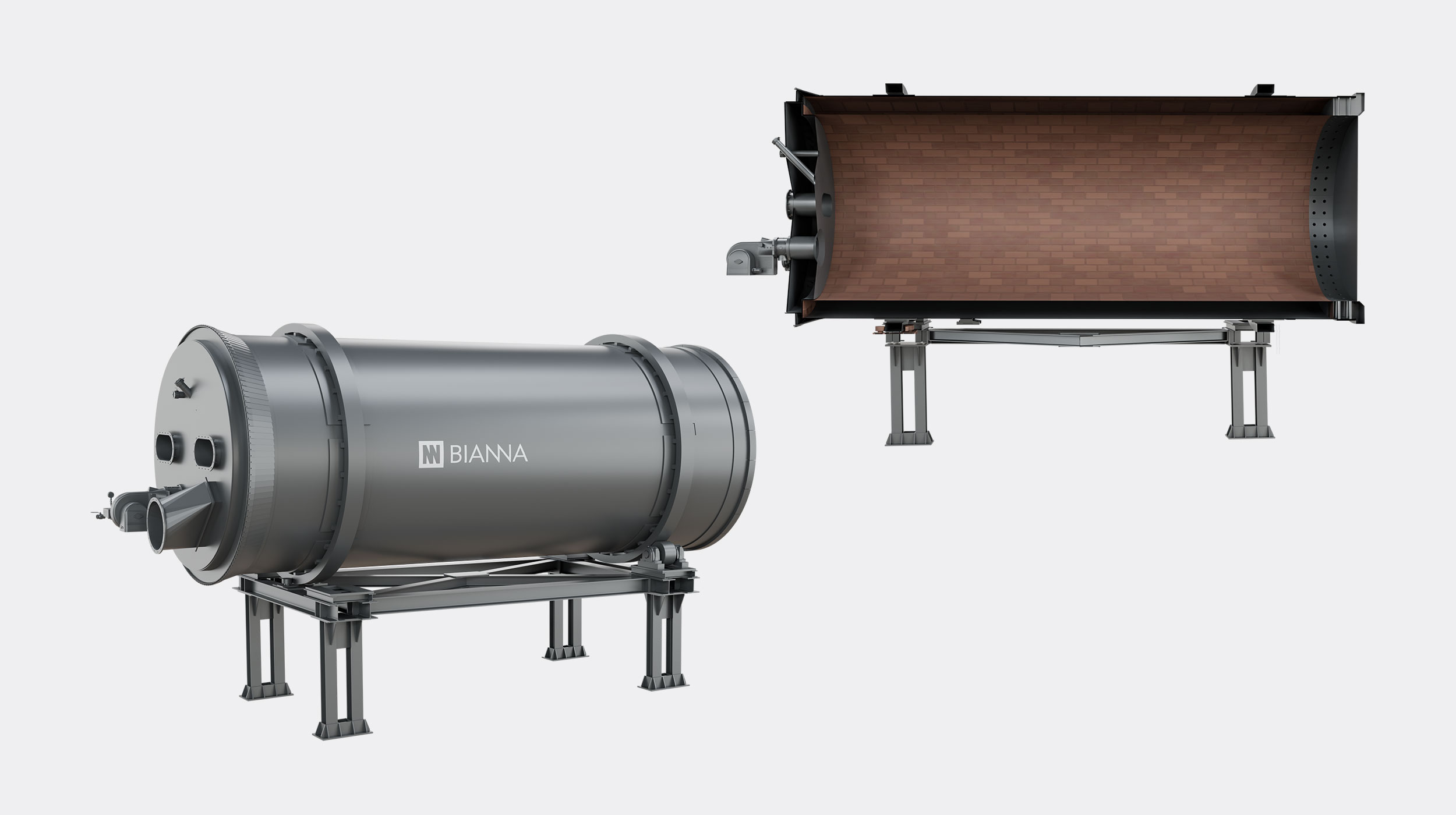
The Rotary Kiln is a continuous operation incinerator. Its interior design is highly robust, featuring a high-alumina refractory that guarantees maximum resistance to mechanical and chemical wear, as well as excellent thermal insulation. The kiln’s movement is ensured by a drive system based on two synchronous gear motors that drive friction wheels. It features a conventional fuel burner (natural gas, diesel, etc.) installed in the door, used for preheating or for maintaining the setpoint temperature under unfavorable conditions.
Main Applications within a Plant
Thermal solutions for complex waste
It is essential in thermal oxidation systems. It is specifically designed for the energy recovery of heterogeneous waste (such as hospital, toxic, and hazardous waste), and waste with high ash content or aggregate content. It is also used for the recovery of sewage sludge.

Renting Options
Discover Bianna Renting Services and access Bianna technology without initial investment.
Request a financing studyRotary Kiln Combustion in action

Aftersales Services
Maintenance, technical service and spare parts. Minimise downtime, maximise results.
Request informationTechnical specifications
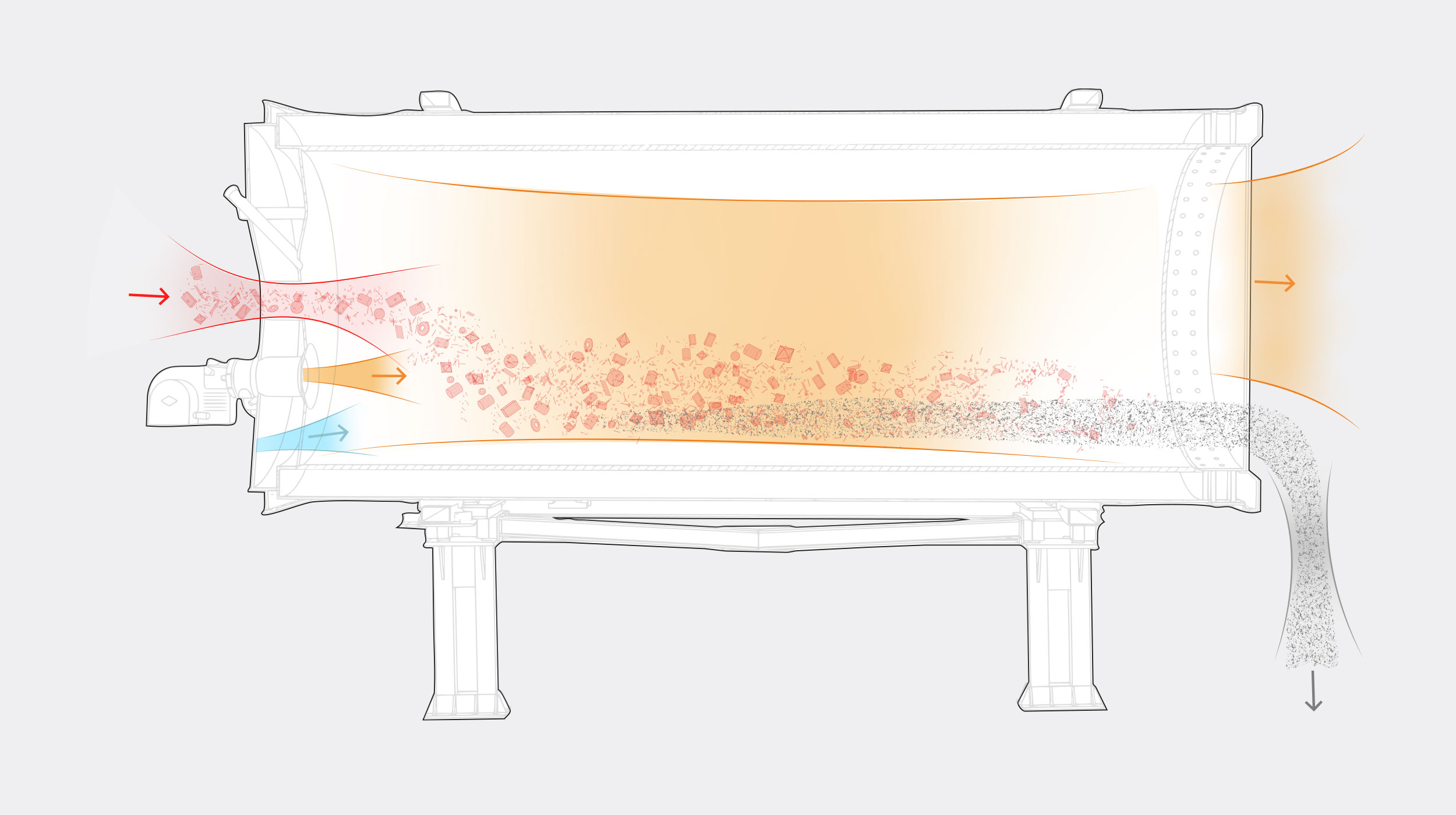
Material feed
The homogenized waste enters the feed hopper in a controlled manner, ensuring a stable feed to the rotary drum.
Auxiliary burner
During start-up and shutdown, the equipment requires an external energy supply for initial heating and progressive cooling, until the gradual introduction of waste and the transition to the self-sustaining operating mode of the process, or a complete shutdown.
Rotary kiln
The kiln has a slight inclination and rotates so that the material advances steadily. This combustion chamber ensures that the mixing of air and material is optimal for complete combustion.
Primary air
The ventilation system injects primary air directly into the rotary kiln to provide the oxygen required for waste combustion.
Ash discharge
The incinerated solid waste is discharged at the end of the drum through the dry or wet ash extraction system.
Gas outlet
The gases resulting from the process are discharged through the kiln outlet section to the oxidation and afterburning chamber, where the oxidation of the remaining compounds is first completed and, subsequently, thermal destruction is ensured by meeting the residence time and temperature established by the applicable regulations.
Gases
Material
Air
Ash
Features and components
Showroom and training
Bianna Greenways, to see our plants and equipment in real operation
Request a visitOperation
Controlled combustion for maximum energy efficiency
The objective is to perform combustion between oxidation and gasification, working with a slight air deficiency. The process temperature is approximately 850{circ}°C under steady-state conditions. Combustion is achieved by injecting air through nozzles (primary air) to ensure proper mixing. The equipment automatically adjusts the rotation speed and fan speed to guarantee complete combustion. The rotary movement and the kiln’s inclination continuously move the burned waste toward the ash pit.