C/D Construction and Demolition
We design, manufacture, and assemble turnkey plants specifically conceived to process extreme flows (C waste). We transform demolition and construction waste into high-value secondary raw materials, driving the circular economy so that aggregates, metals, and other materials return to the building and industrial value chain.
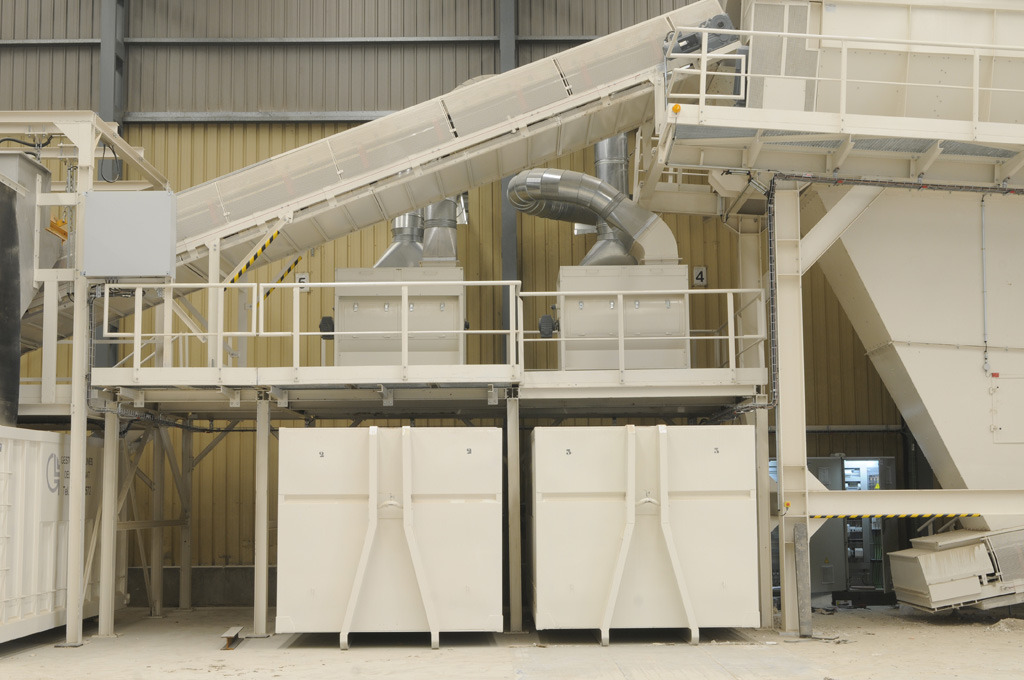
Facilities for the mechanical treatment of construction and demolition waste.
Production of Recycled Aggregates
They transform debris, concrete, and ceramics into granular materials (sands and gravels) that can replace quarry stone in backfills, road bases, and drainage, conserving natural resources.
Drastic Reduction in Landfilling
By separating and processing waste at the source, tons of inert material are prevented from occupying landfill space, extending the useful life of these facilities and reducing the landscape impact.
Recovery of Secondary Materials
They allow for the automated separation of other valuable components mixed on-site, such as metals (ferrous and non-ferrous), wood, and plastics, which re-enter the industrial value chain.
Logistical and Environmental Cost Savings
By treating waste near urban generation centers and reusing it in new nearby construction projects, transport distances, fuel consumption, and associated $CO_2$ emissions are reduced.
Bianna’s CD facilities are comprehensive solutions designed under the non-negotiable principle of strength and durability. The success of these plants lies in the combination of solid Plant Engineering with proprietary armored Key Machines. These pieces of equipment are structurally prepared to withstand heavy impacts, constant abrasive wear, and the massive weight of debris, ensuring stable and uninterrupted operation in the toughest operating environments.
Transforming waste into valuable resources
From waste
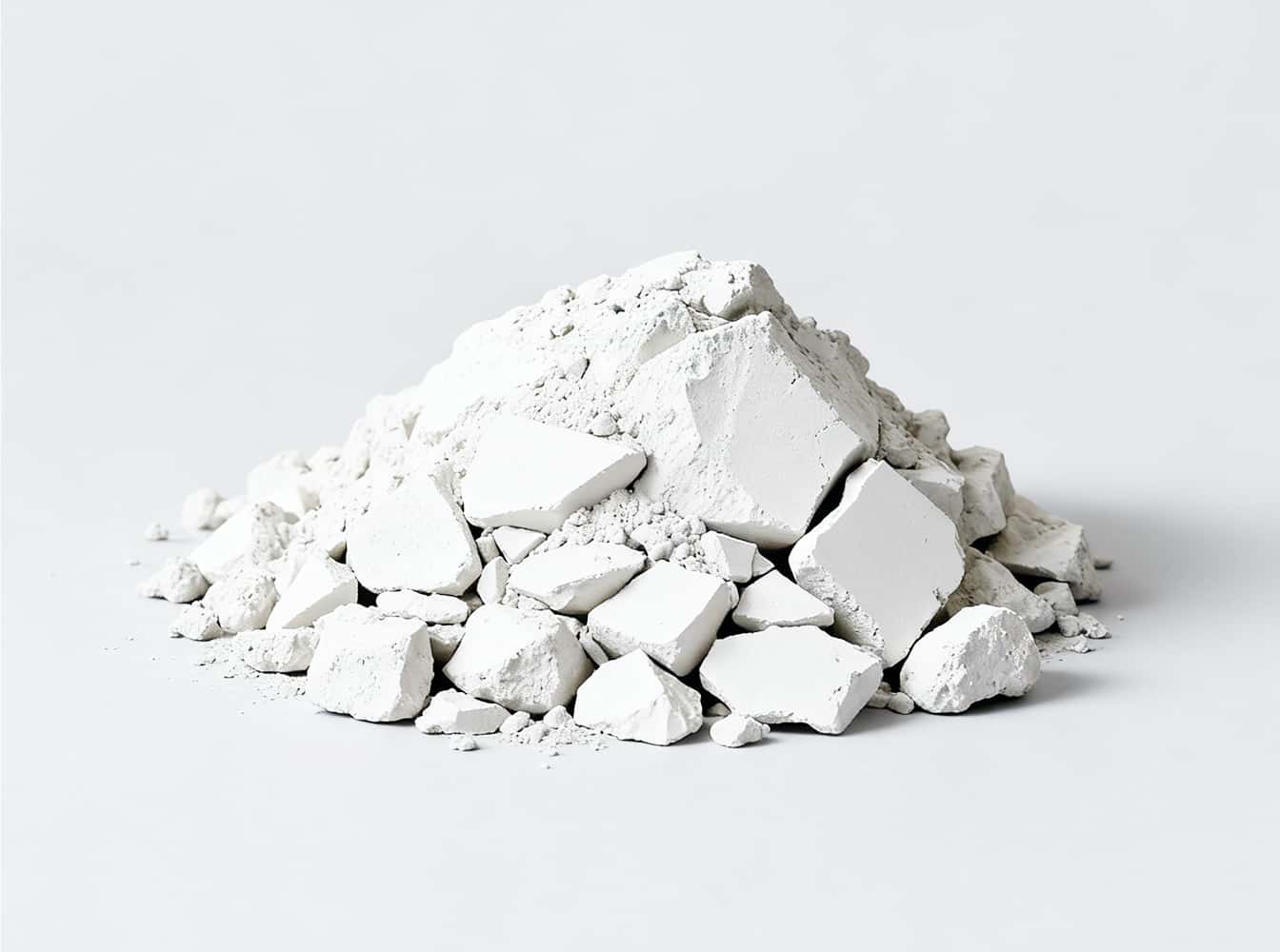
Type of Waste Entering the Plant
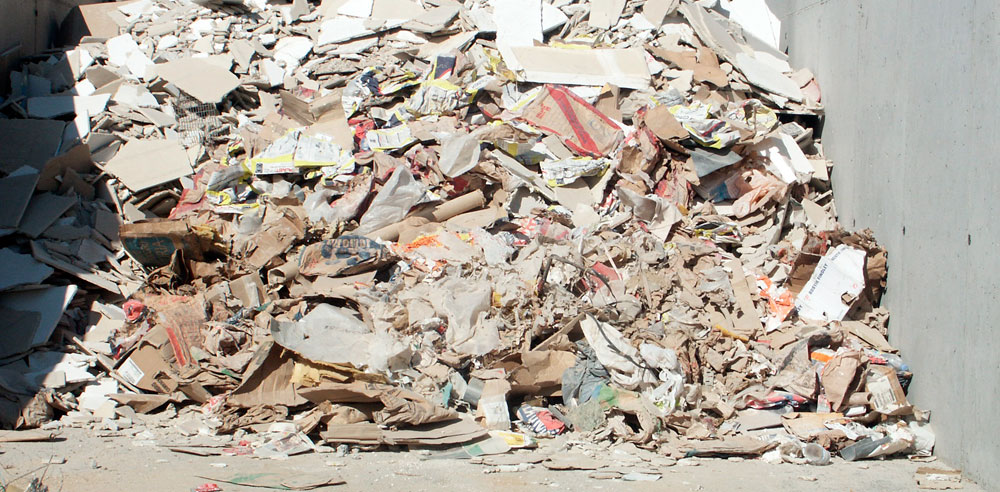
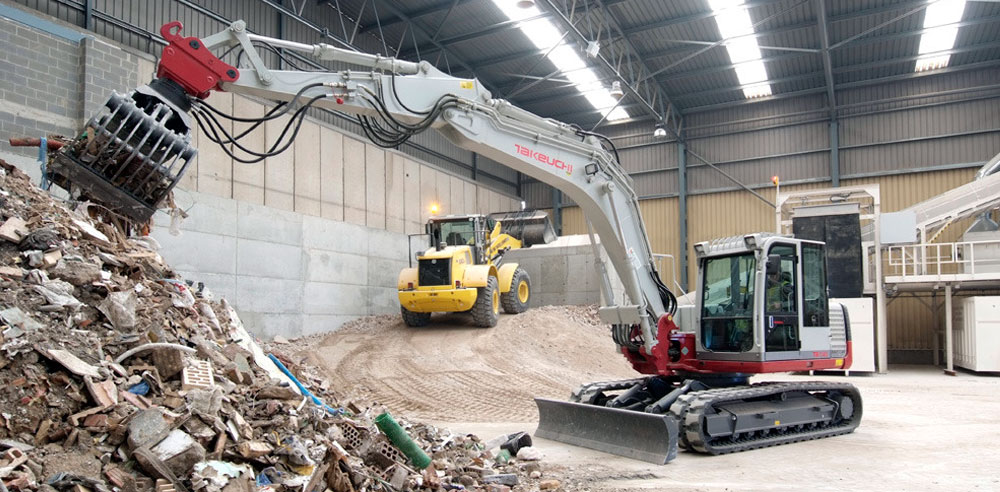
Construction and Demolition Waste (CD waste) originates from building demolitions, rejects from home renovation projects, and, in general, any civil engineering work. Due to their particular composition and typology, this waste is usually managed separately and requires mechanical treatment lines specifically designed to process it.
As with any type of waste, the characteristics of C waste vary significantly in each country depending on the materials used for housing construction. As an example of this variety, wood illustrates how the presence of a material can be majority or marginal in this waste stream.
To resource
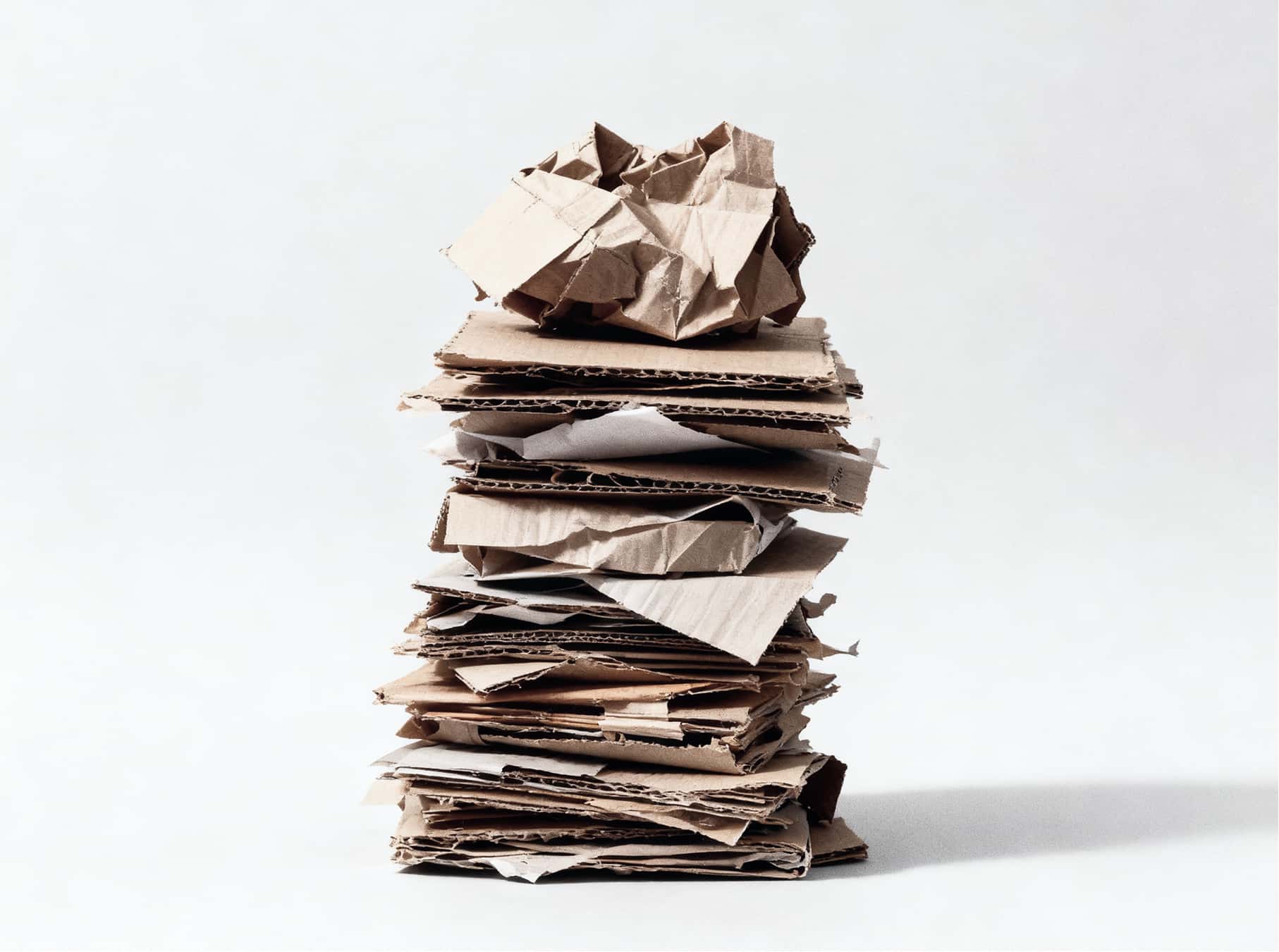
Recoverable Materials Obtained
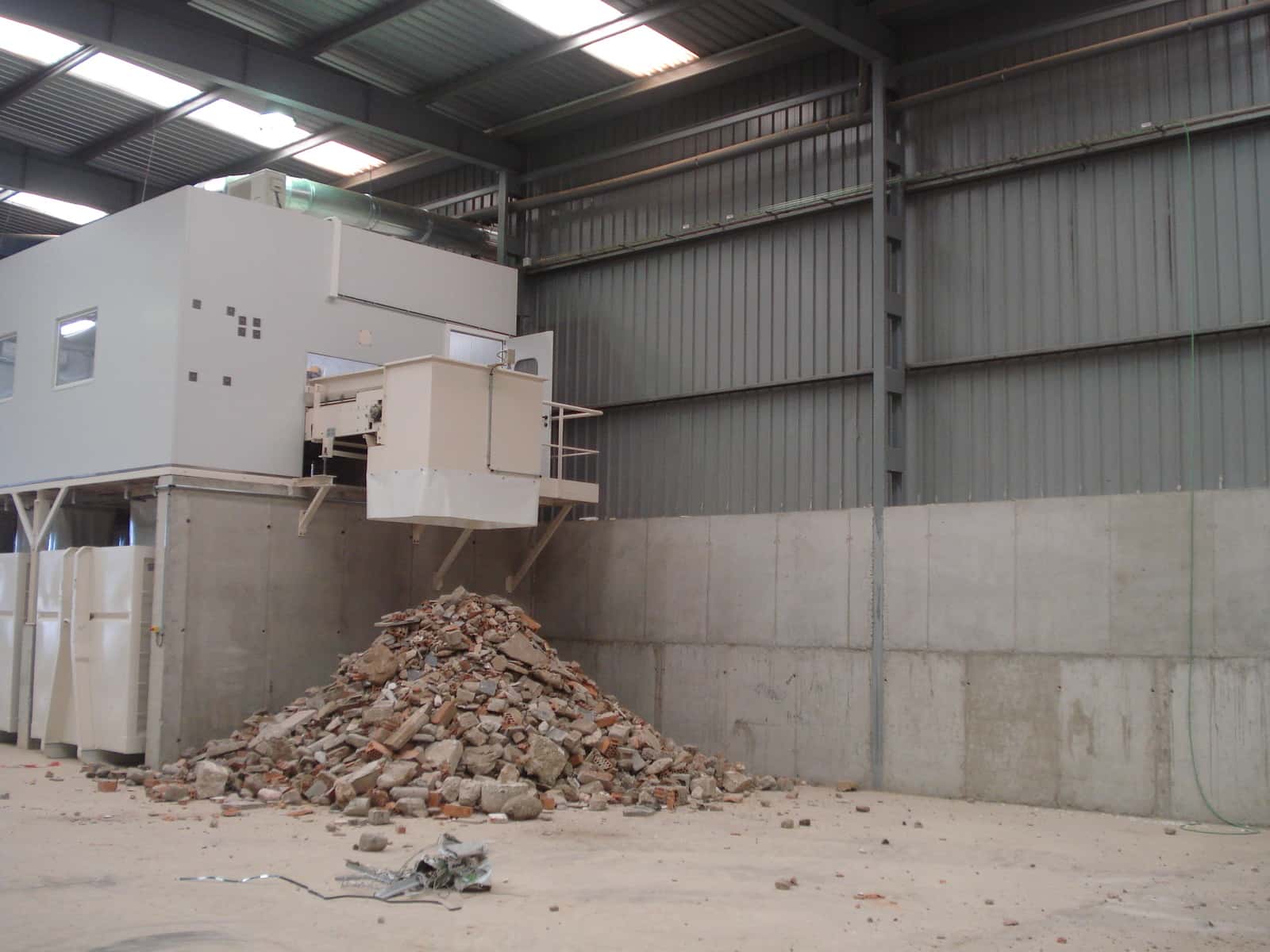
- Aggregates and Inert Materials: concrete, brick, stones, and soils granulometrically classified for use as base or sub-base in civil engineering.
- Metals (Ferrous and Non-Ferrous): steel rods, structural profiles, iron, and aluminum.
- Light and Recoverable Materials: plastic, cardboard, and paper mechanically separated to prevent contamination of the stony fraction.
- Wood and Bulky Materials: recovered materials for recycling or subsequent energy generation (biomass).

Renting Options
Discover Bianna Renting Services and access Bianna technology without initial investment.
Request a financing studyOperation
Recovery and Valorization with Maximum Robustness
Treatment in a C&D plant requires controlled brute force and precision in sorting:
- Reception and Dosing: Raw material (C&D waste) typically enters the line via heavy machinery onto Impact Conveyors or Horizontal Roller Conveyors (PSM Series), ideal for the primary selection of heavy bulky materials.
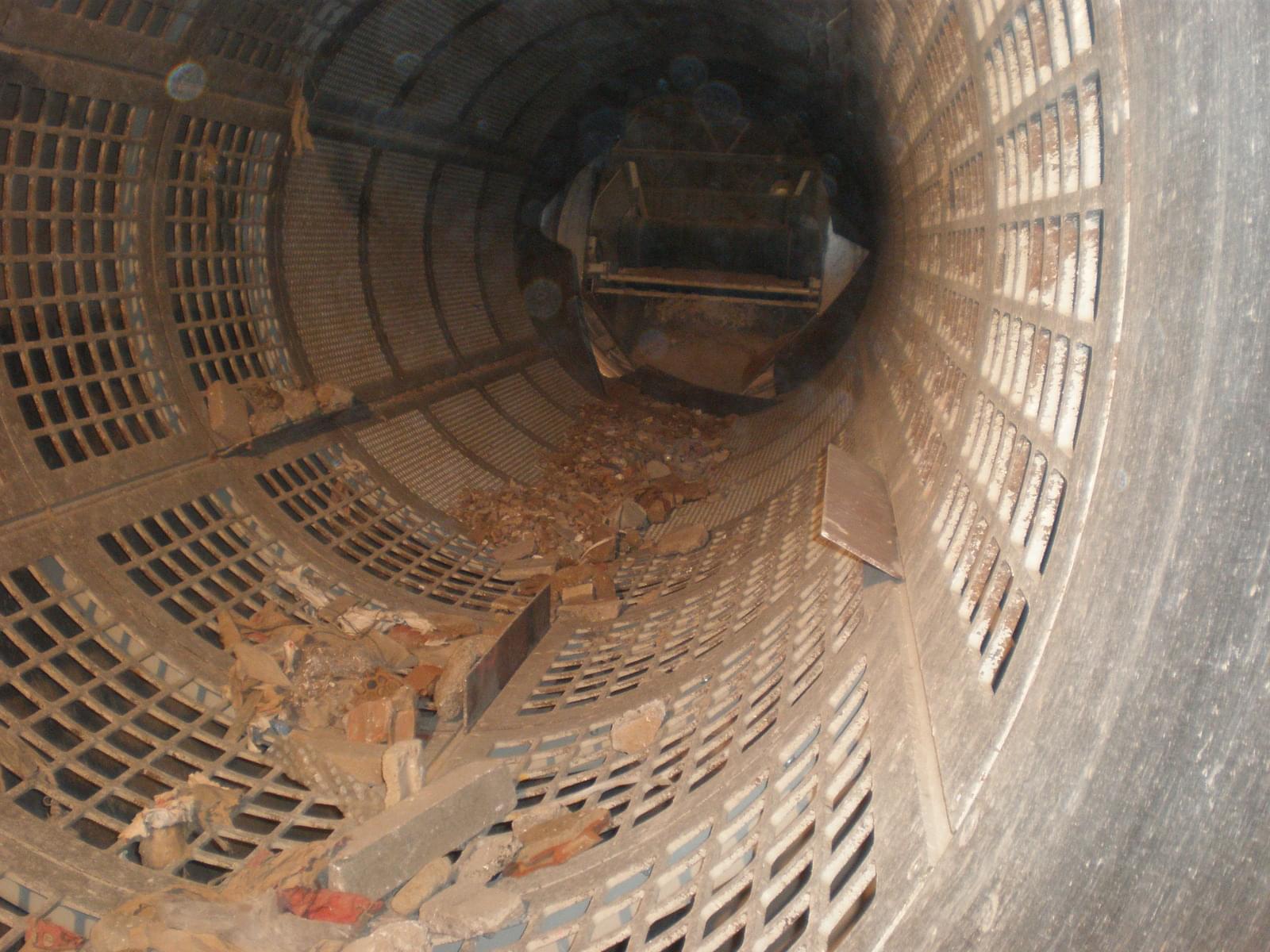
- Reinforced Primary Screening: The material is directed to large Debris Trommels (D Series). Their robust rotating drum, armored to resist abrasion, separates the flow by size (e.g., fines and soil from large concrete fragments).
- Purification and Light Material Extraction: The medium-coarse fraction passes through aerodynamic equipment such as the Windsifter (MW Series). Using powerful airflows, light material (plastics, paper) is separated with great precision from heavy material (stones and debris), thus cleaning the stony fraction.
- MET Recovery and Valorization: The clean flow passes through magnetic systems for steel and metal recovery. Finally, the recycled aggregate is channeled through our powerful trough conveyors (UP Series) to its respective stockpiles, ready for dispatch.
Aftersales Services
Maintenance, technical service and spare parts. Minimise downtime, maximise results.
Request informationConstruction and Demolition in action
Showroom and training
Bianna Greenways, to see our plants and equipment in real operation
Request a visitMachines included in this plant
We offer configurations tailored to each project, from compact solutions to mass processing lines.
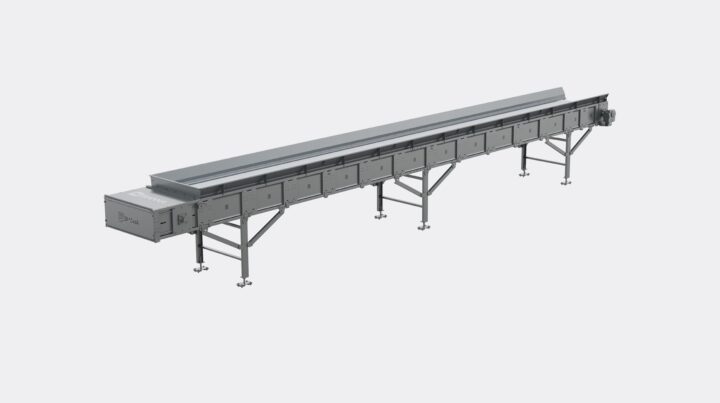
Conveyor Belt
Specifically designed to link equipment, accumulate material, and dose flows, thereby optimizing internal transport and logistics.

More information