
Against a backdrop of sustained growth in energy demand and the urgent need to reduce waste sent to landfills, bioenergy is establishing itself as one of the most strategic alternatives for advancing towards a circular and low-carbon economy.
A Horizon Driven by Energy Transition
The global decarbonization process has focused on renewable energies capable of offering not only sustainability but also stability and flexibility. In this context, bioenergy stands out as one of the few truly manageable and storable renewable sources, capable of generating electricity, heat, and sustainable fuels from biological resources.
This is confirmed by the ACCIÓ sectoral report (June 2025), which positions Catalonia as one of the regions with the greatest development potential in this field, thanks to its abundance of biogenic resources and an increasingly specialized business fabric.
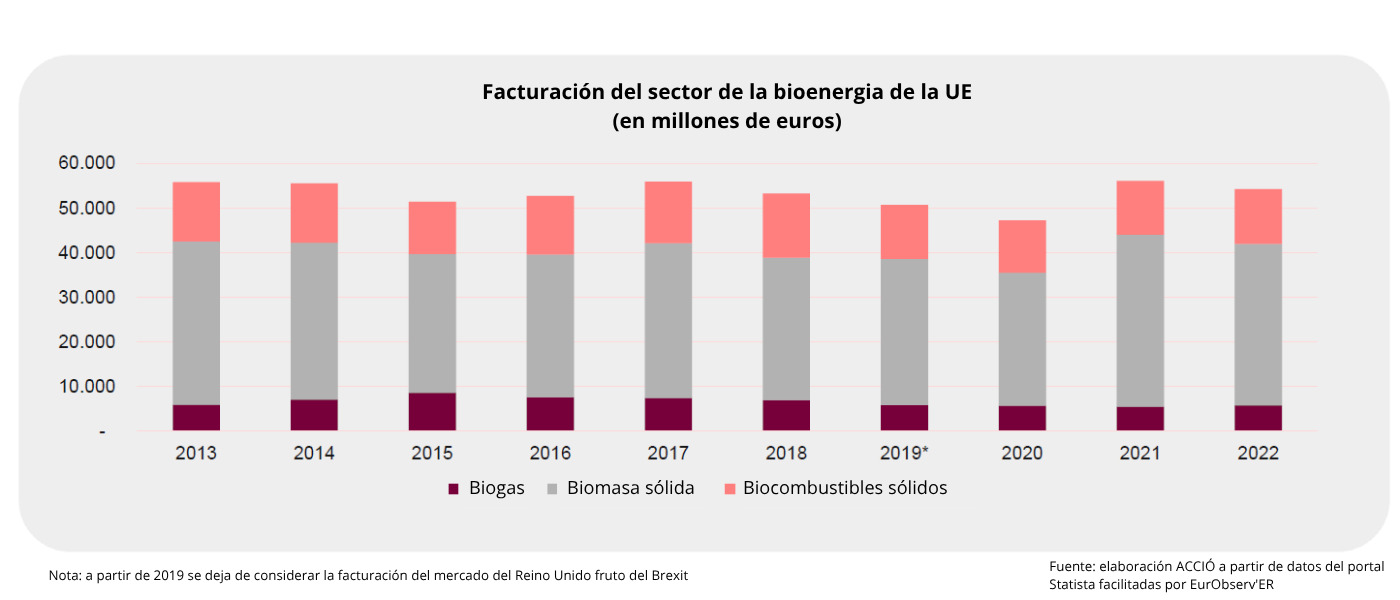
The report identifies significant sector growth, with 365 companies, a turnover of 872 million euros, and over 2,600 jobs in 2023, in addition to clear leadership in solid biomass and accelerated development of biogas and biomethane. It also highlights key trends such as the emergence of new technologies (pyrogasification, hydrothermal gasification, methanation), the diversification of business models, and convergence with emerging applications like green hydrogen and sustainable aviation fuels (SAF).
Furthermore, the international benchmarking included in the report highlights European initiatives such as Bioeconomy for Change (France) and emphasizes the importance of decentralized territorial models, primary sector participation, technological innovation, and strategies to achieve greater social acceptance. Catalonia has a strategic opportunity to consolidate itself as a bioenergy hub on a European scale, and Bianna is positioned as a key player in realizing this potential.
In this scenario, energy valorization of organic matter and solid waste is key to complying with the European Green Deal and the RED III Directive.
What Types of Bioenergy Exist?
Among the wide range of bioenergy sources, two main types stand out:
- Solid biomass: This includes materials such as forest residues, agricultural waste, urban pruning, or by-products from the food industry. Its thermal and electrical utilization is carried out through industrial boilers or cogeneration systems.
- Biogas and biomethane: Generated from organic waste (slurry, food waste, wastewater treatment sludge), these renewable gases can generate electricity, heat, or be injected into the natural gas grid after a purification process.
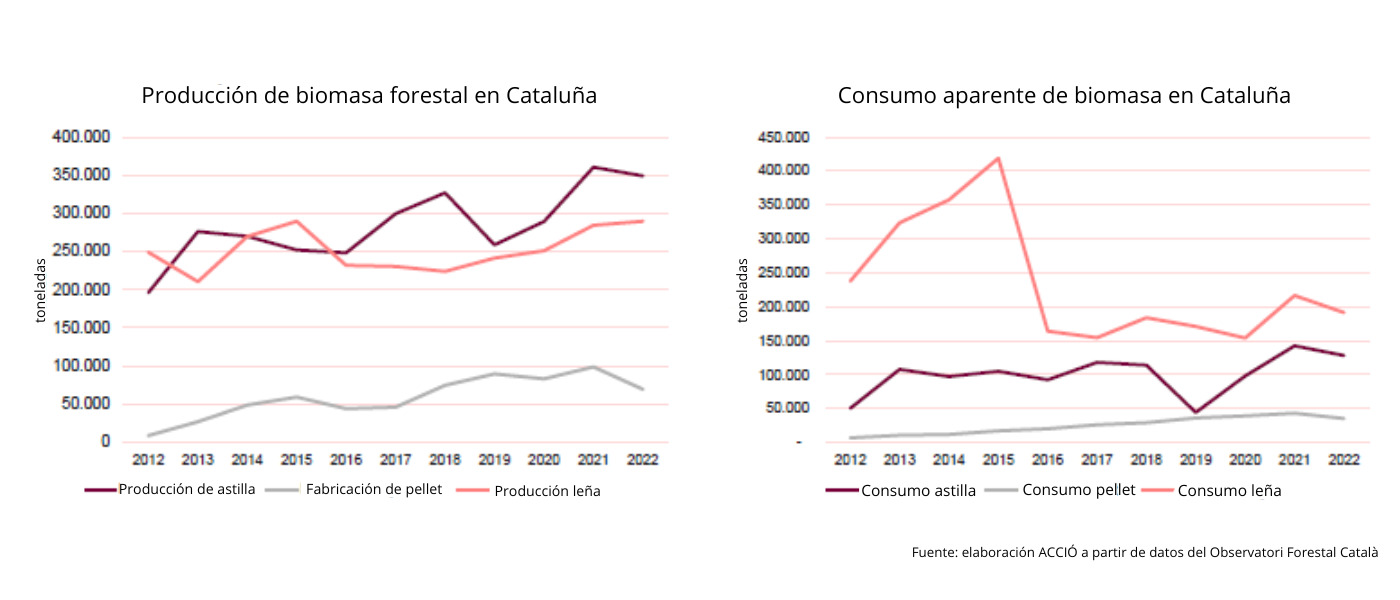
Both types are undergoing full development in Catalonia, with solid biomass already consolidated and biogas growing rapidly thanks to the potential of raw materials and the existing gas infrastructure.
Technology and Solutions for Solid Bioenergy
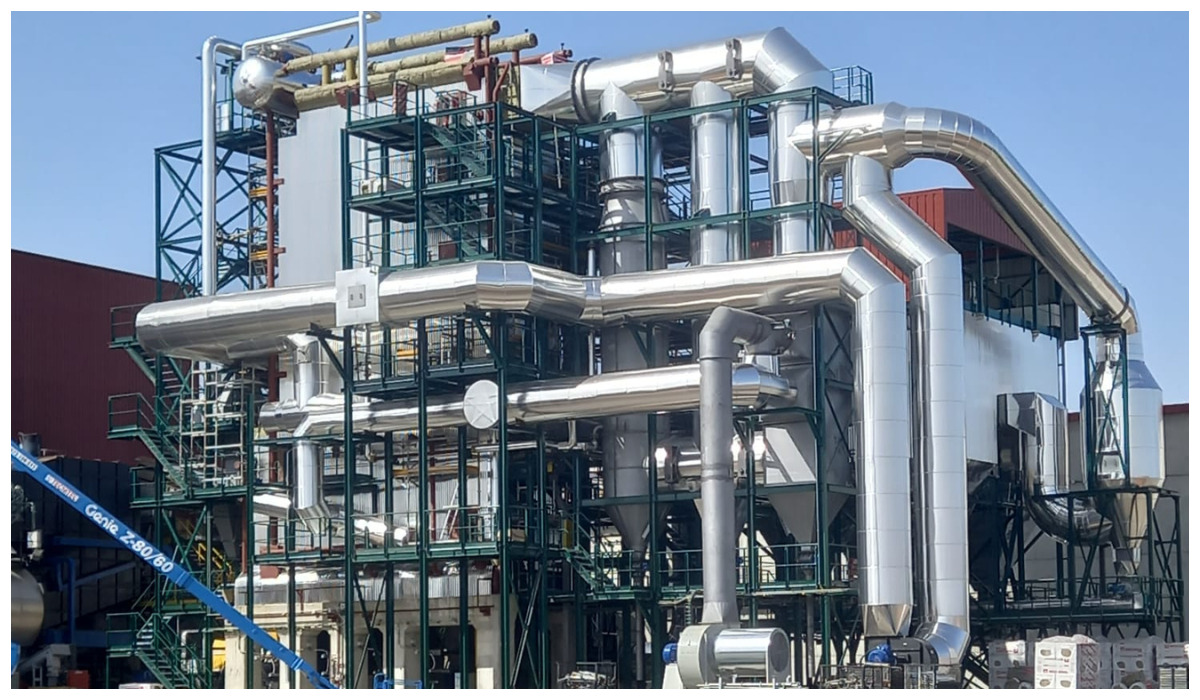
At Bianna, following the integration of Sugimat, a company specializing in industrial boilers, we are firmly committed to the valorization of solid biomass, one of the most robust and mature pillars of the European bioenergy ecosystem. Through our technological solutions and accumulated experience, we offer turnkey projects adapted to multiple sectors and industries. To articulate this line of work, we do so through the following technologies:
- Waste treatment plants that enable the production of quality solid biomass from different sources.
- Industrial boilers designed and manufactured by Bianna Sugimat for high-efficiency thermal and electrical generation.
- Advanced pyrolysis and gasification systems.
A Differentiating Proposal: Beyond Wood
While many market players focus their activity on forest-derived biomass, Bianna expands its capacity to process a wide variety of solid waste, not only from forest operations: Dust, MDF, Pine bark, Poplar, Wood chips, Shavings, Pruning waste, Cotton waste, Rice husks, Wood pellets, Straw, Pomace, Olive pits, Chicken manure, or even digestate from biomethanation.
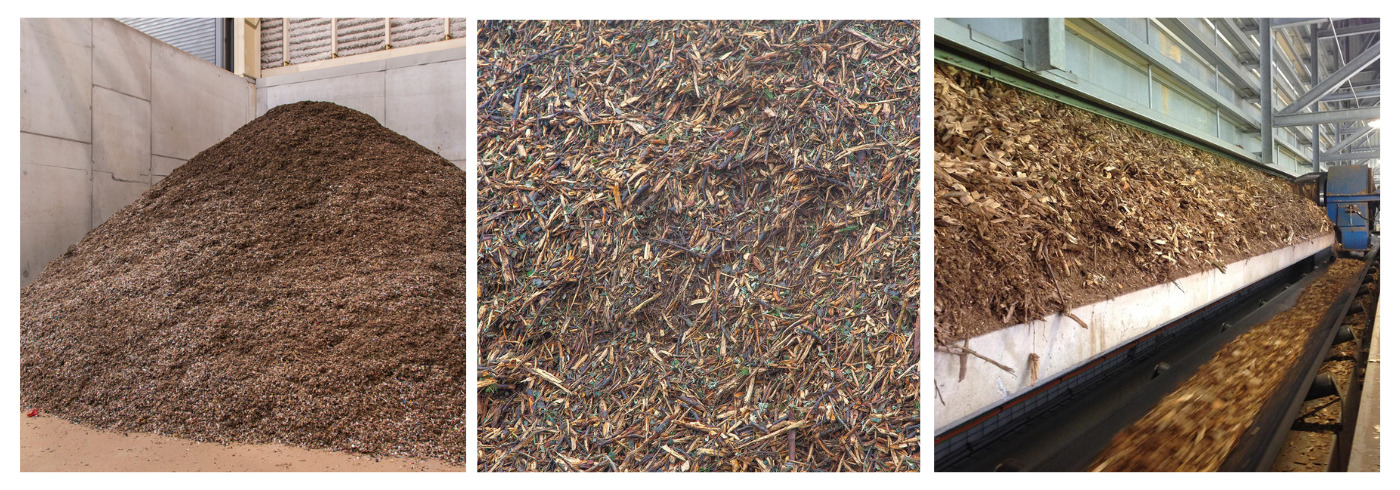
This versatility allows energy solutions to be adapted to the local availability of resources, optimizing both logistics and profitability.
Furthermore, thanks to the integration of Sugimat into Bianna, with its extensive market experience, we offer tailor-made cogeneration solutions that combine electricity and heat from solid biomass. These installations achieve superior energy performance and are ideal for industries with high thermal demand or for urban heating networks.
Reference Projects
Our technology is already present in strategic projects in Catalonia, providing tangible solutions to the energy challenge:
Nufri (Mollerussa)
BIANNA supplied two saturated steam boilers fueled by woody biomass, generating 20 and 30 tons per hour. They use biomass from various sources, including pruning from Nufri’s own crops, thus closing a virtuous cycle. The generated steam is used for their industrial process, optimizing energy utilization and reducing dependence on fossil fuels.
Aldhara (Ivars d’Urgell)
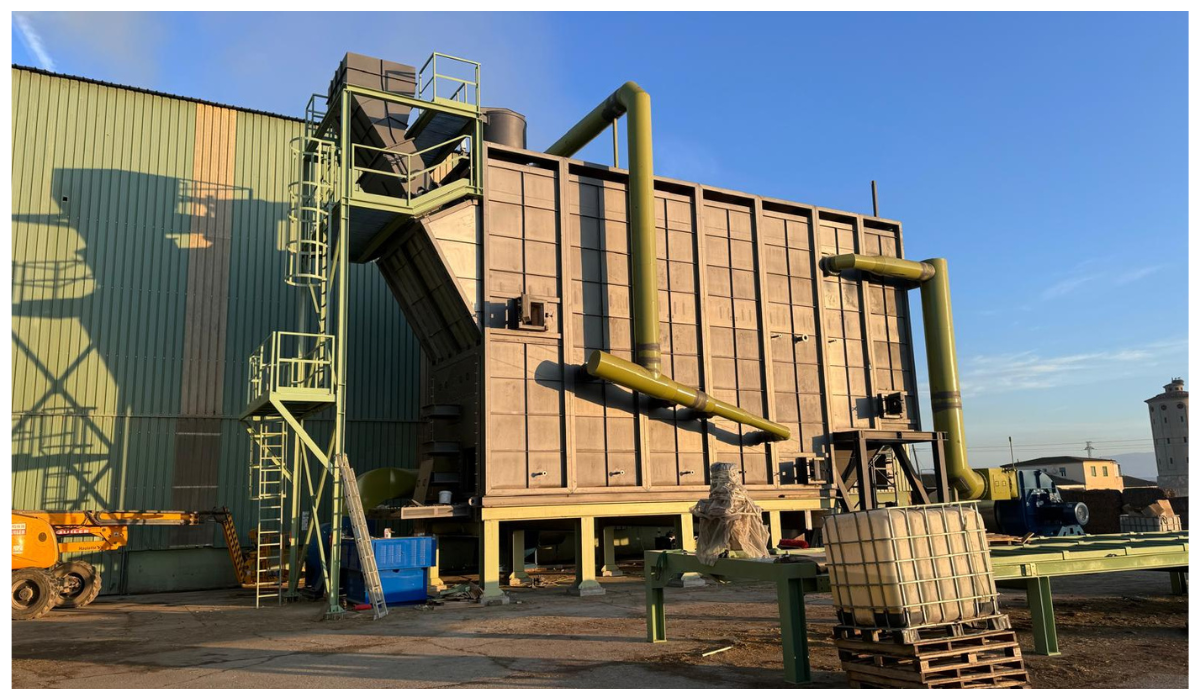
BIANNA supplied a multi-fuel combustion gas generation chamber. This equipment allows for the drying of various crops such as forages, including alfalfa and corn silage. Its “multi-fuel” characteristic is key, as it enables it to work with different types of biomasses such as agro-industrial and woody waste, providing Aldhara with the necessary independence to completely eliminate natural gas from its drying process, which translates into significant economic and environmental benefits.
Termosolar Borges (Les Borges Blanques)
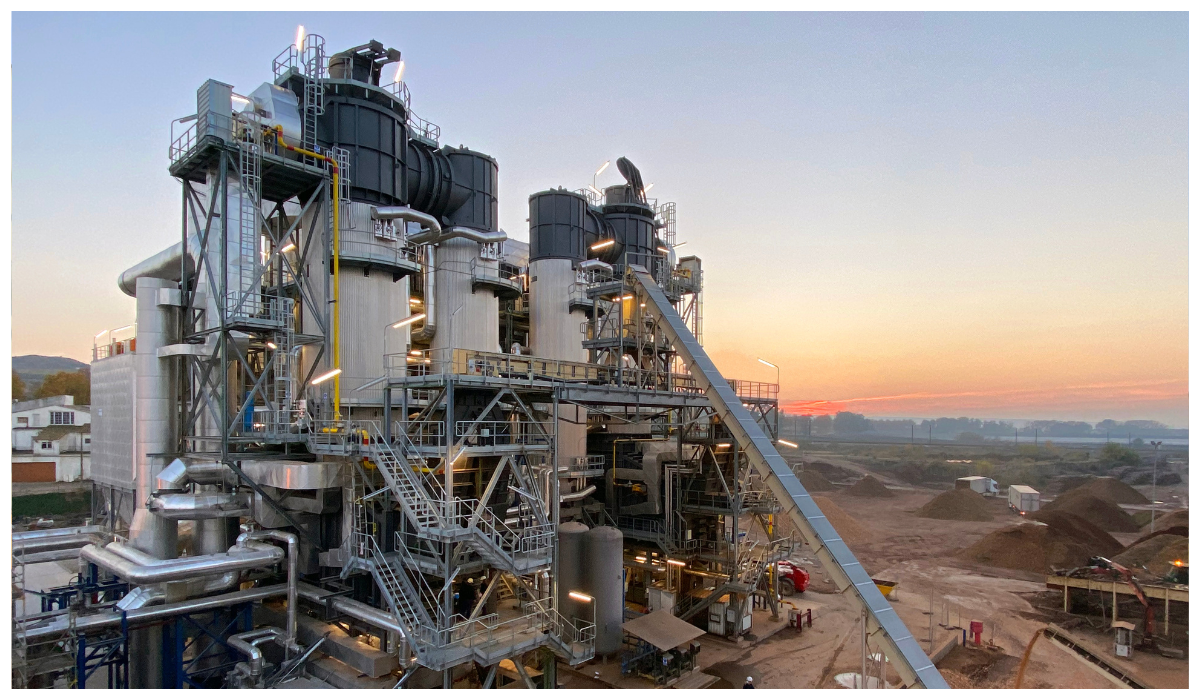
This pioneering global project combines electricity generation through solar concentration with the combustion of forest biomass. This biomass comes from local forest maintenance and pruning, ensuring a sustainable source. The heart of this integration is the high-temperature biomass thermal oil boilers, designed to provide energy efficiently and continuously. This combination allows for maintaining electricity production even when solar resources are unavailable, maximizing renewable production hours.
Common Technological Configuration
These cases share a solid technological foundation:
- Mechanical pre-treatment of waste.
- Latest-generation biomass boilers.
- Possibility of installing a CO2 capture system (Carbon capture ready) that would allow for negative carbon emissions and its use in e-fuels, SAF, and e-methanol when combined with green hydrogen production.
A Catalan Model with Peninsular and European Projection
The successes achieved in Catalonia are not isolated incidents: they can and should be replicated in other regions of Spain and the continent. The keys to the model—diversity of waste, technological efficiency, economic viability—are perfectly exportable to areas with a strong agro-industrial, forestry, or livestock presence.
Our international vocation to work with partners in other countries, who seek to adapt our solutions to their own territories, contributes to the expansion of smarter, decentralized, and sustainable bioenergy.
Bioenergy has ceased to be a promise and has become a tangible reality.
At Bianna, we continue to commit to solutions that combine technology, sustainability, and profitability, convinced that today’s waste is tomorrow’s clean energy.