The European Union is moving steadily towards a more sustainable future. Among the goals set out in its ambitious 2030 Agenda, one stands out in particular: by 2035, less than 10% of the municipal waste generated should end up in landfill. This commitment not only aims to improve recycling rates, but to radically transform the way we think about waste management across the continent.
If we look at the European landscape, we find countries that are already very close to meeting these targets. Member States such as Germany, the Netherlands or Austria have, for decades, opted for a combination of prevention, advanced recycling and energy recovery of non-recyclable waste, achieving landfill rates well below 10%.
European experience shows that achieving these objectives is possible, but it requires political will, technological innovation and a profound change in waste management.
In this context, Spain still has ground to cover. Currently, close to 45% of municipal waste in our country ends up in landfill, a figure far from the European targets. The challenge is significant and cannot be solved simply by increasing recycling rates: it is also essential to make progress in prevention, in more efficient separate collection, and to open the debate on a solution that is still pending in many areas of Spain: energy recovery.
Recycling and Recovery: the perfect pair
There are currently different technologies with TRL levels that more than adequately ensure their maturity, in the mechanical, biological and recovery areas.
This ensures a very comfortable position when designing a global management strategy for any type of waste.
Should the solution be purely mechanical? Should the solution be purely energy-based?
As with any decision, the best position lies in the right balance between distant opposites.
This is the path: we must be able to analyse the reality of the material (composition, fluctuation over an annual period, quantity generated, management capacity). The reality of the environment (raw material needs, energy resources, space resources).
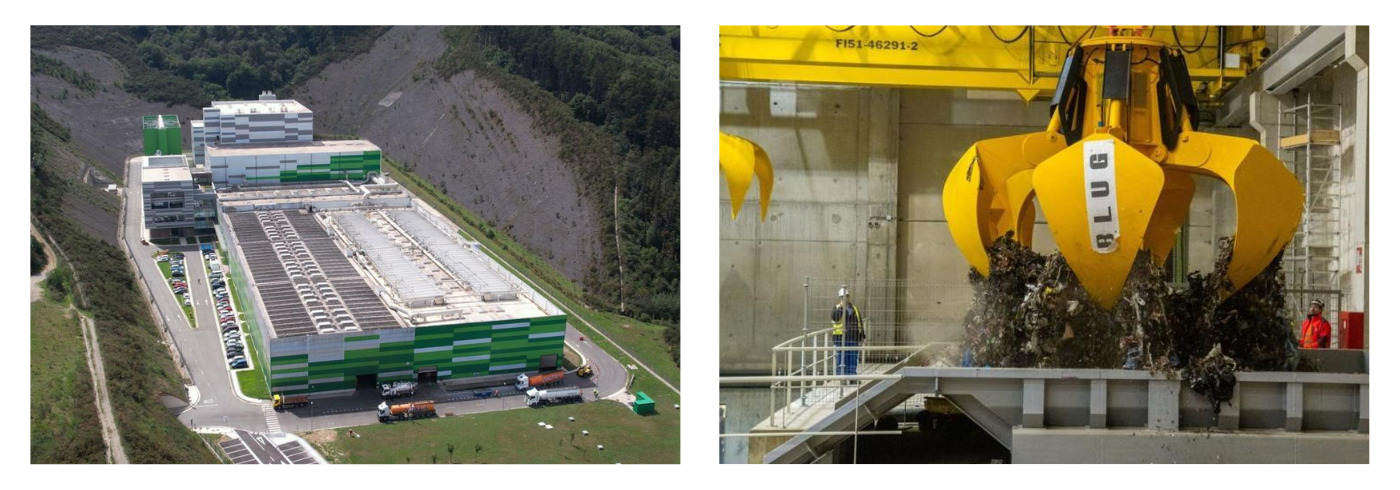
And with that, prepare the strategy, but always with the long term in mind. This is the case of the Zubieta (Gipuzkoa) energy recovery plant, which represents a successful example. Despite initial opposition, it is now widely accepted by the community and has made it possible to close landfills and reduce the region’s environmental footprint. That said, these are complex projects that require political and social consensus, often over several legislative terms.
Energy microgrids: a solution to two problems—waste management and energy security
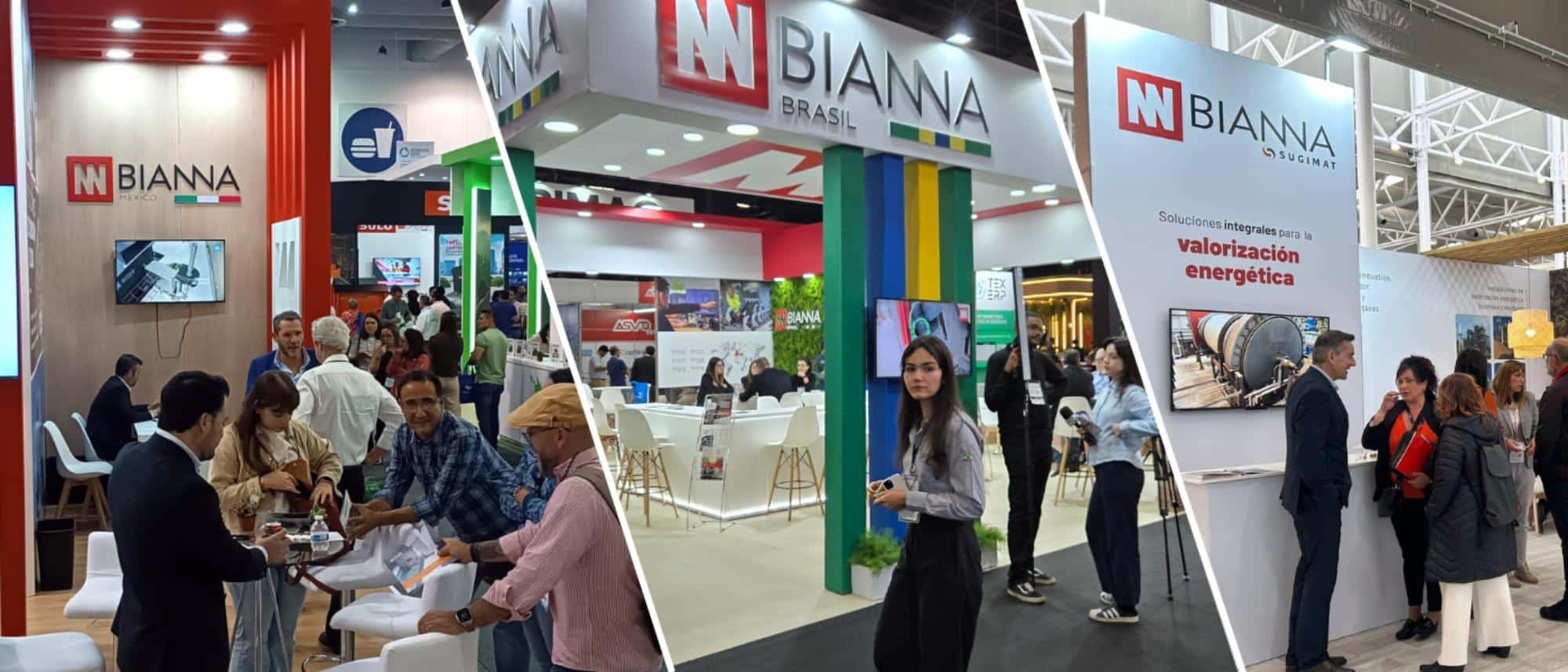
In line with these challenges, on 20 March the Future4Circularity event took place; an event that brings together the most influential figures and leading organisations in the waste management and circular economy sector in Spain. The purpose of the meeting is to redefine how we manage available resources and close production cycles efficiently.
Bianna participated in the event, where our CCO, Alberto Hernández Minguito, presented a key idea: decentralized energy recovery can be an essential part of the solution. This strategy avoids long-distance waste transport, transforms waste into a local resource, generates employment, and reinvests the economic benefits within the communities themselves.
Moving beyond sterile debates and advancing towards sustainable, local and efficient solutions is essential if we are to meet European commitments… and, above all, protect our environment for future generations.
You can watch Alberto’s reflections and the rest of the debate in the video below.